PsychMatic - Psychology and manipulation in technology

decision making

How Poverty Literally Shrinks Your Brain's Mental Bandwidth

Financial scarcity hijacks your executive function, costs you up to 13 IQ points, and creates a cognitive trap that makes escaping poverty even harder. Here's what the science actually shows.
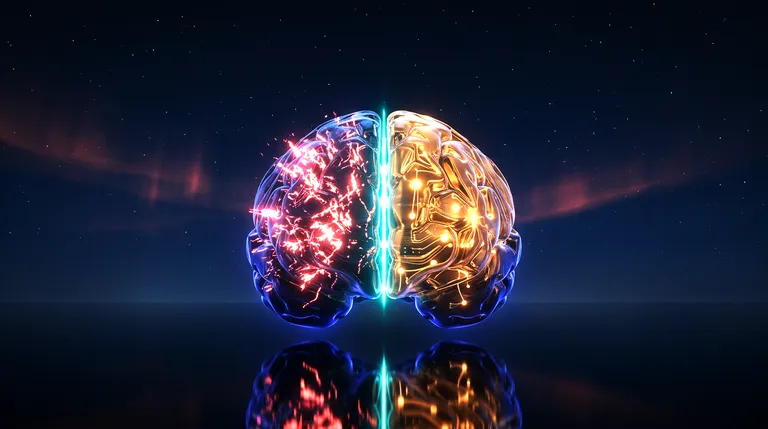

Your Brain Has a Reality Switch, and It Can Be Fooled

Neuroscientists discovered your brain has a built-in 'reality signal' that tells you what's real and what's imagined. But vivid imagination, VR, and gaslighting can flip that switch.

How Your Environment Secretly Controls Your Behavior

The rooms you sit in, the colors on your walls, and the layout of every store you enter are shaping your thoughts, mood, and decisions. Here's the science.

Your Brain Isn't Fully Grown Until 32 and That Changes Everything

Brain scans of 4,216 people reveal five distinct brain eras with major turning points at ages 9, 32, 66, and 83. The popular belief that your brain matures at 25 was never right.

Is AI Actually Making You Dumber? The Science Says Yes

New research reveals that heavy AI use weakens critical thinking, shrinks brain connectivity, and creates a dangerous confidence gap. Here is what the science says about your brain on ChatGPT.

Why You Choke Under Pressure and What Science Says You Can Do About It

Your brain is wired to sabotage you when the stakes are highest. Here's the neuroscience behind choking under pressure, and 5 proven techniques to stop it.

Why You're Not Nearly as Rational as You Think You Are

Your brain is convinced it makes logical decisions. Science says otherwise. Discover the hidden forces that hijack your rational mind every single day.

How MDMA Damages Your Memory Long After the High Is Gone

New research shows MDMA causes lasting memory and learning deficits that persist even years after you stop using it. Here's what the science actually says about ecstasy and your brain.

Why Nothing Makes You Happy Anymore and What Science Says About It

Your brain is designed to get bored with good things. It's called the hedonic treadmill, and it explains why promotions, new cars, and even lottery wins stop feeling good. Here's how to break the cycle.

Why Your Brain Can't Stop Gambling Even When You Know You'll Lose

Your brain treats near misses like wins, sees patterns in randomness, and doubles down when losing. Here's the psychology behind why gambling is so hard to quit.

Why Your Brain Wants to Believe We Live in a Simulation

The simulation hypothesis feels convincing for a reason. Your brain's pattern-seeking wiring, confirmation bias, and need for meaning make the idea almost irresistible. Here's the psychology behind the belief.

How Dark Patterns Trick Your Brain Into Bad Decisions

76% of apps and websites use dark patterns to manipulate your choices. Here's the psychology behind deceptive design and how to fight back.

Down the Hole

Why You Follow the Crowd, Even When You Know Better

Your brain is wired to conform. Research shows 70% of people will agree with a group they know is wrong. Here's why you follow the crowd and how to break free.

Why Your Good Habits Never Stick and What Science Says to Do Instead

You've tried morning routines, gym plans, and reading goals. They all fall apart within weeks. Here's why your brain fights good habits and the research-backed strategies that actually make them stick.

7 Cognitive Biases Quietly Sabotaging Your Everyday Decisions

Your brain takes shortcuts that feel smart but lead you astray. Here are the 7 biggest cognitive biases wrecking your choices and how to fight back.

The Psychology of Persuasion and Why It Works on Everyone

Salespeople, politicians, and marketers use a handful of psychological tricks to get you to say yes. Here's how to spot them before they work on you.

How Choice Architecture Quietly Controls Your Decisions

Governments and companies design the options you see to steer your behavior. Here's how choice architecture and nudges work at scale, and why the defaults in your life matter more than you think.