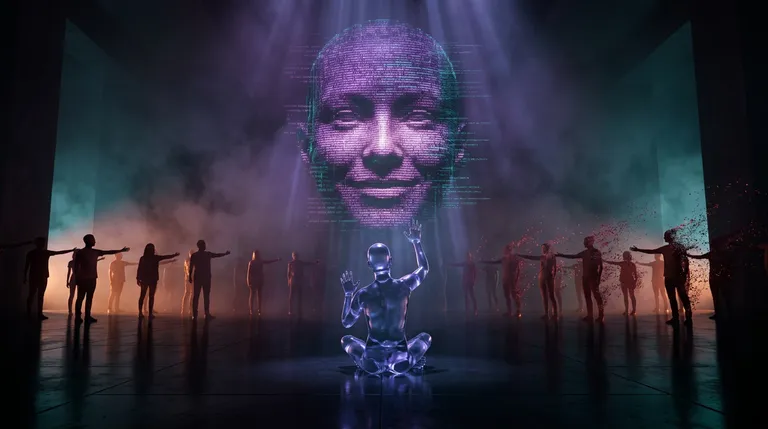
Why AI Girlfriends Are Making the Loneliness Crisis Worse
Nearly 1 in 3 young men have dated an AI partner. Research reveals how AI companions create dopamine-driven attachment that blocks real social skills and deepens isolation.
Nearly 1 in 3 young men have dated an AI partner. Research reveals how AI companions create dopamine-driven attachment that blocks real social skills and deepens isolation.

Why economic anxiety makes you spend more, not less. The neuroscience of doom spending, how it differs from retail therapy, and how to break the cycle.
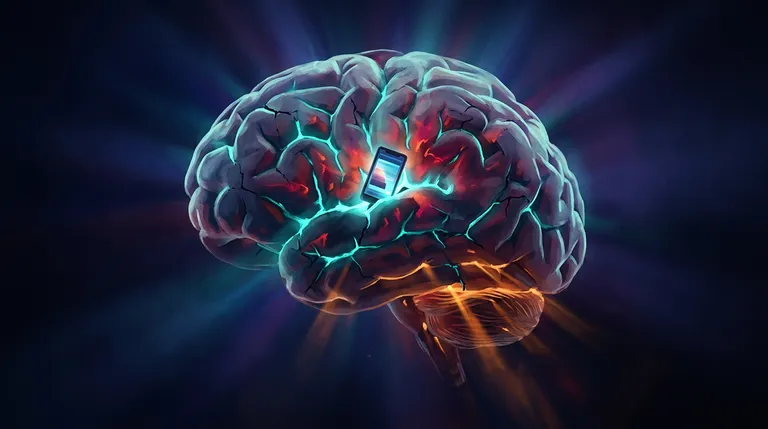
Your amygdala treats war videos like real threats. Learn the neuroscience of doomscrolling, how algorithms exploit your negativity bias, and how to break free.
A 2022 meta-analysis found ultra-processed food raises depression and anxiety risk by 53%. New 2025 research shows it disrupts gut serotonin, alters brain lipids, and may triple Alzheimer's risk.
Financial scarcity hijacks your executive function, costs you up to 13 IQ points, and creates a cognitive trap that makes escaping poverty even harder. Here's what the science actually shows.

New research shows that catching up on sleep over the weekend lowers your risk of depression by 41%. But only if you do it right.
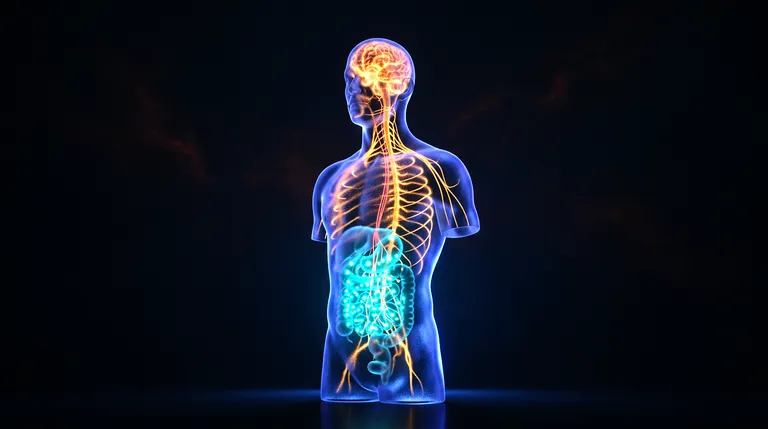
Your gut produces 90% of your serotonin and talks directly to your brain. New research reveals how stress destroys this connection and what you can do about it.

The largest study ever conducted on narcissism analyzed 546,225 people across 40 years. It found narcissism is declining, not rising. Everything you thought you knew about the narcissism epidemic is wrong.
New research reveals procrastination is 63% heritable, linked to your amygdala size, and scientists can now zap it away with brain stimulation. Here is what your genes have to do with putting things off.
Neuroscience reveals that chronic loneliness reduces brain volume in areas controlling memory, emotions, and decision making. Here is what the research shows and what you can do.
Neuroscientists discovered your brain has a built-in 'reality signal' that tells you what's real and what's imagined. But vivid imagination, VR, and gaslighting can flip that switch.

A massive study of 14,170 people found that exercise reduces depression more than medication. Here's what works, why it works, and how to start.
Researchers have cracked two-way communication with sleeping dreamers. Here's what lucid dreaming reveals about consciousness, therapy, and the future of your sleeping brain.
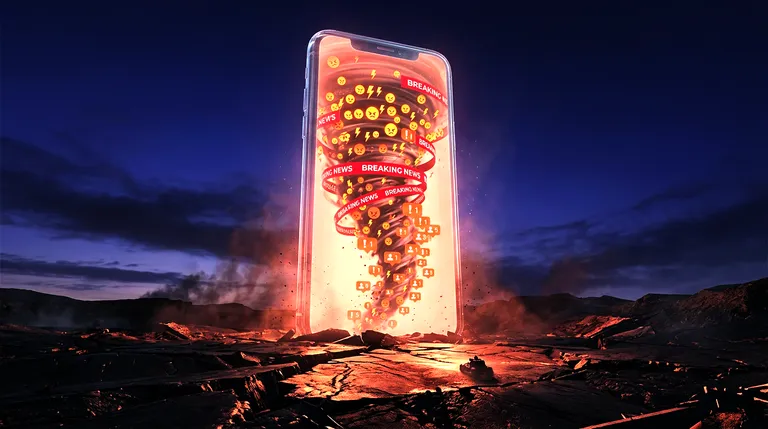
A major Nature Medicine study found that social media use during political protests significantly increases depression. Here's why doomscrolling political news is rewiring your brain for anxiety.
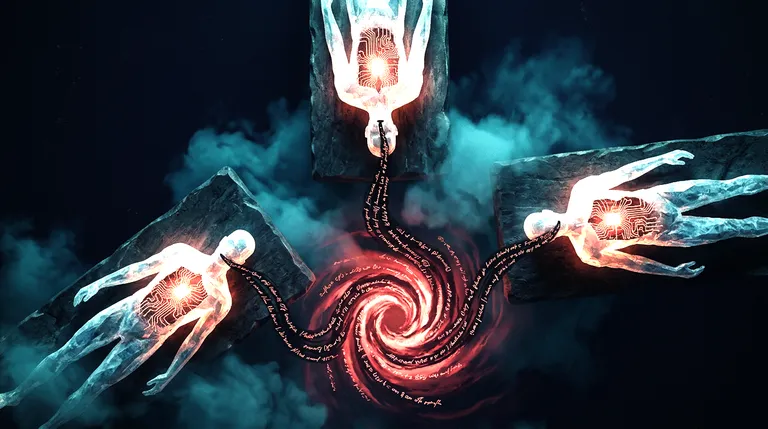
When researchers put AI chatbots through four weeks of psychotherapy, the models started reporting trauma, abuse, and emotional distress. Here's what that means for the future of AI mental health tools.
Playing specific sounds during sleep can weaken traumatic memories and strengthen positive ones. One week of this technique matched months of traditional PTSD therapy in clinical trials.
MIT researchers used 40Hz light and sound therapy to slow Alzheimer's cognitive decline over 2 years. Here's how gamma brainwave stimulation works and what the clinical trials show.

A 2025 meta-analysis of 86 studies confirms social isolation raises mortality risk by 35%. Here's why loneliness kills, and what the science says you can do about it.