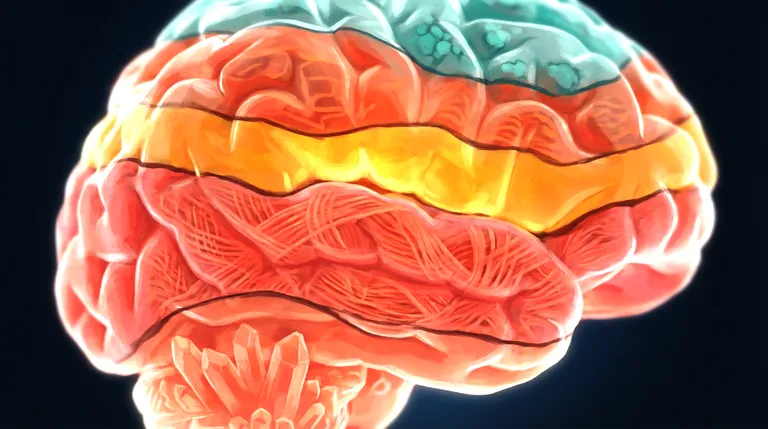

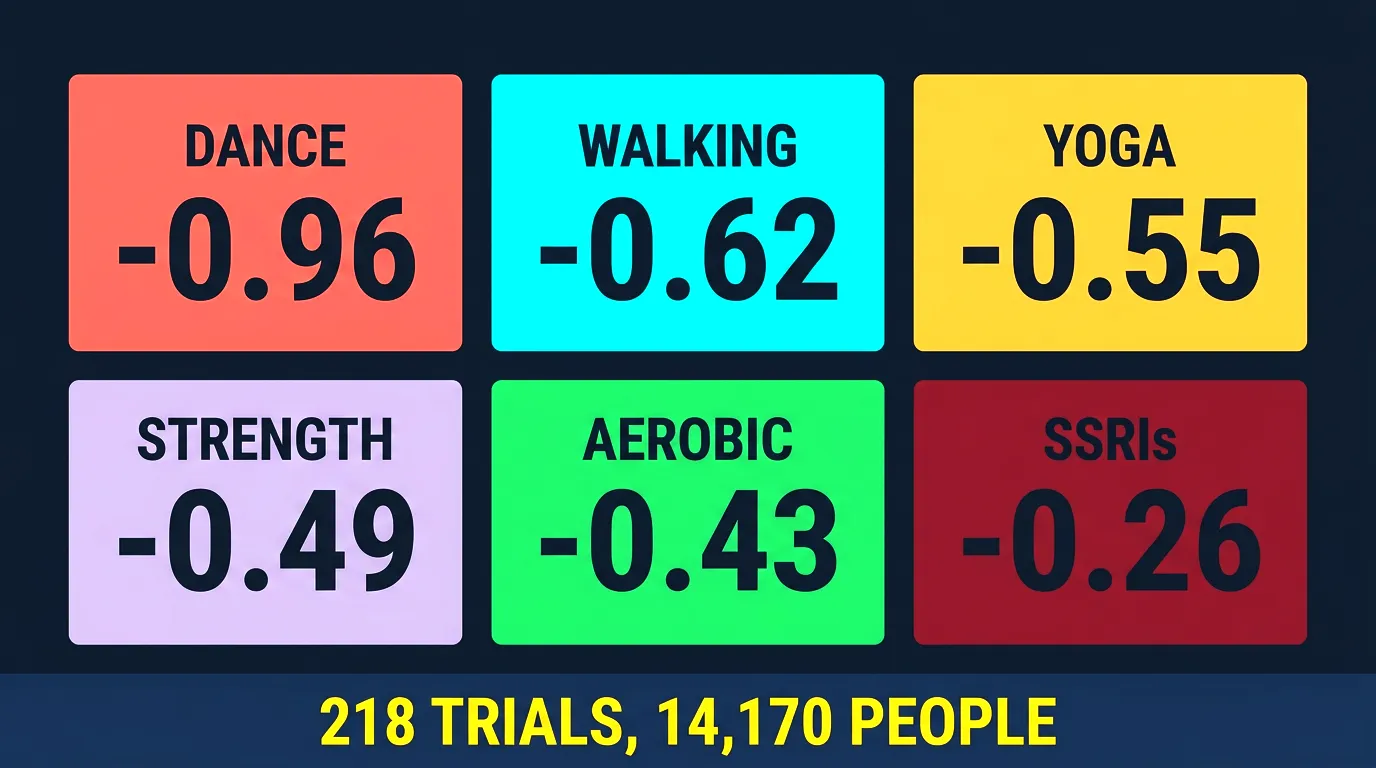
In 2024, a team of researchers from the University of Queensland analyzed every randomized trial ever conducted on exercise and depression. They pooled data from 218 studies and 14,170 people.[1]
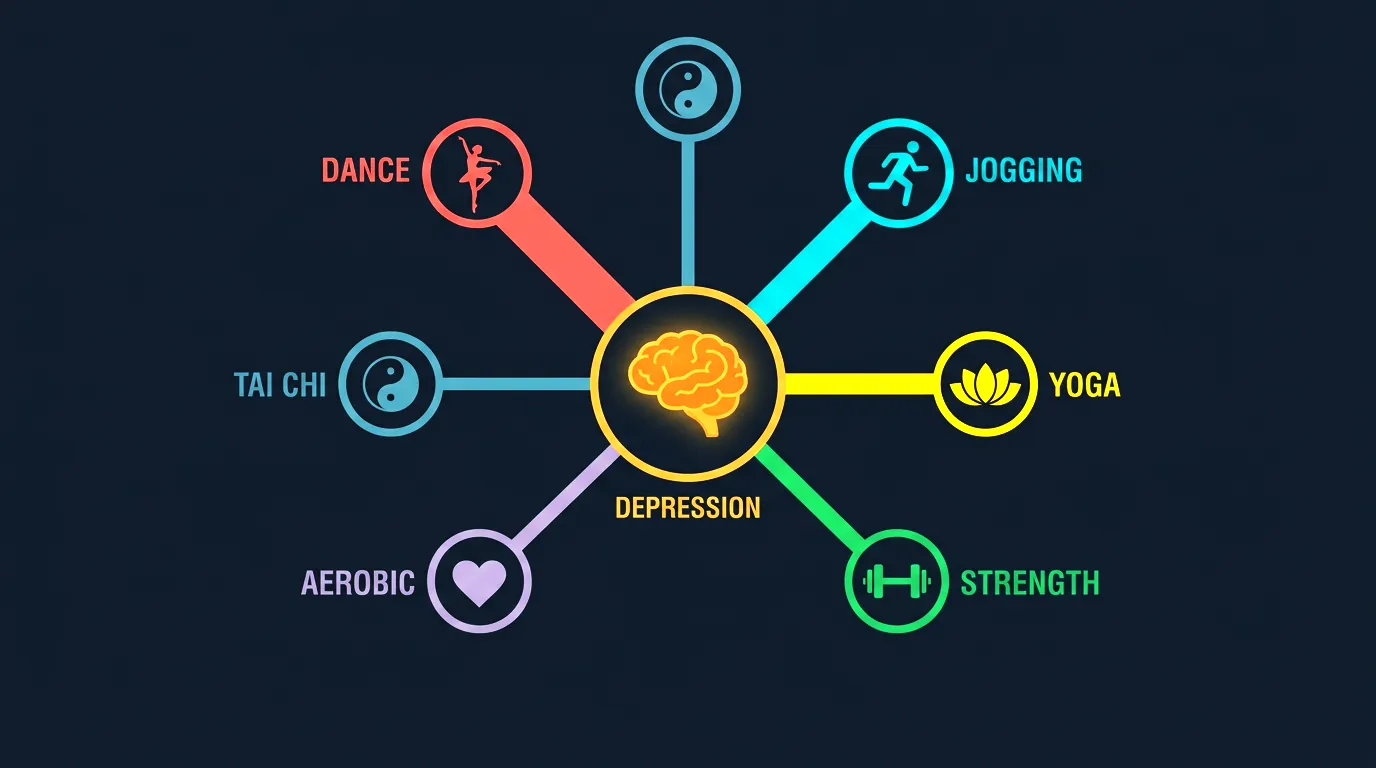
The results were stunning. Walking, jogging, yoga, strength training, and dance all produced significant reductions in depression. And when the researchers compared exercise head-to-head with antidepressants, exercise came out ahead. The effect size for walking and jogging was more than double that of SSRIs.[1]
This wasn’t a small study. It wasn’t a fitness blog opinion piece. It was the largest network meta-analysis on exercise and depression ever published, in one of the most respected medical journals in the world. And it’s changing how doctors think about treating depression.
The Largest Depression Study You’ve Never Heard Of
The study was led by Michael Noetel and published in the British Medical Journal in February 2024. His team reviewed 218 randomized controlled trials with 495 treatment arms. Every trial included people who met clinical cutoffs for major depression.[1]
They didn’t just ask whether exercise “helps.” They ranked every type of exercise against every other treatment, including SSRIs, cognitive behavioral therapy, and placebo controls. Here’s what they found.
Compared with active controls, every form of exercise they tested produced meaningful reductions in depression:
- Dance had the largest effect size of any treatment (Hedges’ g = -0.96)
- Walking or jogging produced a strong effect (g = -0.62)
- Yoga showed a moderate effect (g = -0.55)
- Strength training was close behind (g = -0.49)
- Mixed aerobic exercise also helped (g = -0.43)
- Tai chi and qigong rounded out the list (g = -0.42)
For comparison, SSRIs alone showed an effect size of just -0.26. Cognitive behavioral therapy came in at -0.55. That means walking and jogging were roughly 2.4 times more effective than medication by this measure.[1]
“We found exercise should be considered alongside traditional interventions as a core treatment for depression.” - Michael Noetel, University of Queensland
A January 2026 Cochrane review of 73 trials confirmed these findings. Exercise reduced depression symptoms to a similar extent as psychological therapy and antidepressants.[2] Then in February 2026, a massive umbrella review in the British Journal of Sports Medicine analyzed over 80,000 participants and found the same pattern. Cardio activities like running, swimming, and dancing were especially effective.[3]
The evidence isn’t building slowly anymore. It’s piling up.
Important Caveats
Before you flush your medication down the toilet, a few things to know. The confidence in the BMJ findings was rated “low” for walking and jogging and “very low” for other exercise types. Only one study in the entire review met Cochrane’s strict criteria for low risk of bias.[1]
Dance had the biggest effect size, but it was based on just five small trials with 107 total participants. That’s exciting but preliminary.
And exercise for severe depression works best as a complement to medication and therapy, not a replacement. Always talk to your doctor before changing any treatment plan.
Which Exercises Fight Depression Best
Not all movement is created equal. The BMJ data gives us a clear ranking. But the 2026 research adds some important nuances about what makes certain exercises work better than others.
| Exercise Type | Effect Size (g) | Studies | Key Advantage |
|---|---|---|---|
| Dance | -0.96 (large) | 5 trials | Social connection + rhythm + cardio |
| Walking/Jogging | -0.62 (moderate) | 51 trials | Accessible, most studied |
| Yoga | -0.55 (moderate) | 36 trials | Most “acceptable” to patients |
| Strength Training | -0.49 (moderate) | 27 trials | High retention, builds confidence |
| Mixed Aerobic | -0.43 (moderate) | 39 trials | Flexible programming |
| Tai Chi/Qigong | -0.42 (moderate) | 9 trials | Low-impact, meditative |
Intensity Matters
The BMJ analysis found that the effects of exercise were directly proportional to the prescribed intensity. More vigorous exercise produced bigger improvements. But that doesn’t mean you need to suffer.[1]
The 2026 Cochrane review actually found that light to moderate intensity exercise may work better than vigorous activity. Completing 13 to 36 sessions of moderate exercise produced the greatest improvements.[2]
The sweet spot seems to be exercise that raises your heart rate and makes you breathe harder, but doesn’t leave you destroyed. A brisk 30-minute walk counts. So does a dance class or a moderate yoga flow.
Group Exercise Has an Edge
The 2026 British Journal of Sports Medicine umbrella review found that supervised and group-based exercise outperformed solo workouts for depression. Something about moving with other people adds a layer of benefit that going alone doesn’t provide.[3]
Dance may top the rankings partly because it combines three powerful elements: physical exertion, social bonding, and rhythmic engagement. Your brain gets a triple hit.
Recommended read: The Balanced Brain by Camilla Nord. A neuroscientist explains how different interventions, from exercise to medication to placebo, all converge on the same brain circuits to shift your mood.
Why Moving Your Body Rewires Your Brain
Exercise doesn’t just make you feel good in the moment. It physically changes the structure and chemistry of your brain. Researchers have identified at least four major pathways that explain why movement is such a powerful antidepressant.
BDNF, Your Brain’s Miracle-Gro
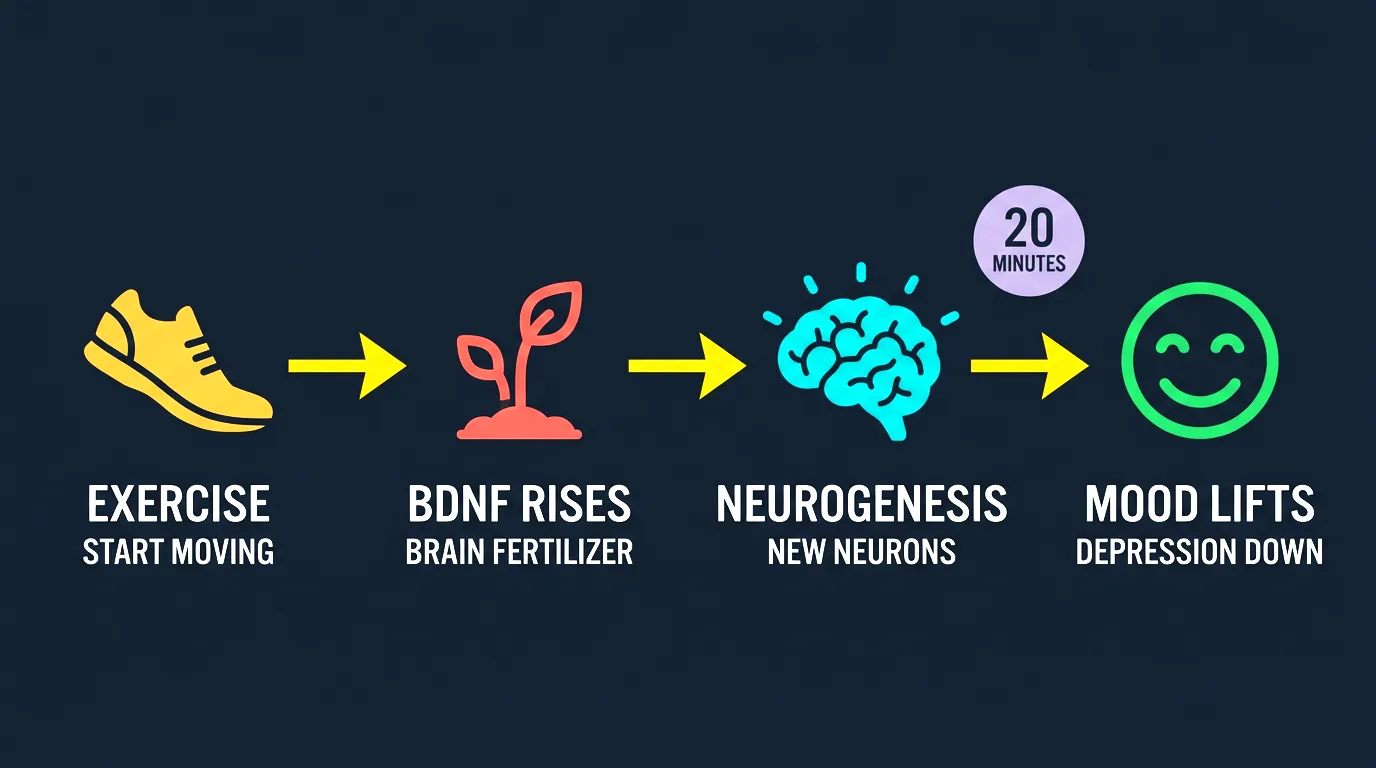
Brain-derived neurotrophic factor is a protein that promotes the growth of new neurons and strengthens existing connections. Think of it as fertilizer for your brain. People with depression consistently show lower BDNF levels.[4]
Exercise is one of the most reliable ways to boost BDNF. Moderate to vigorous aerobic activity increases BDNF production in the hippocampus, the brain region critical for mood regulation and memory. This promotes neurogenesis, the birth of brand-new brain cells.[4]
Antidepressants also raise BDNF levels. But exercise does it through a different mechanism and may produce more lasting changes because it also improves blood flow and reduces oxidative stress simultaneously.
The Inflammation Connection
Depression isn’t just a chemical imbalance. It’s an inflammatory condition. People with major depression show elevated levels of inflammatory markers like TNF-alpha and IL-1 beta.[5]
Exercise is a natural anti-inflammatory. Regular physical activity reduces circulating levels of pro-inflammatory cytokines and increases anti-inflammatory ones like IL-4 and IL-13. After 8 to 12 weeks of consistent exercise, TNF-alpha levels drop measurably.[5]
Here’s the interesting part. The patients with the highest inflammation levels at baseline showed the greatest antidepressant response to exercise. If your depression is partly driven by inflammation, exercise may be especially effective for you.[5]
The Neurotransmitter Boost
Exercise triggers the release of the three neurochemicals most associated with mood:
- Endorphins bind to opioid receptors and produce a natural “high”
- Serotonin stabilizes mood and is the same target SSRIs aim at
- Dopamine activates reward circuits and fights the apathy that defines depression
A single bout of moderate exercise can elevate all three within 20 minutes.[6] That’s faster than any antidepressant on the market, which typically takes 4 to 6 weeks to show full effects.
If you’ve been wondering why nothing makes you happy anymore, a depleted dopamine system is often the culprit. Exercise is one of the healthiest ways to reset it.
The HPA Axis Reset
Your hypothalamic-pituitary-adrenal axis controls your stress response. In depression, this system gets stuck in overdrive, flooding your body with cortisol. Chronic cortisol damages the hippocampus and disrupts sleep, appetite, and concentration.[6]
Regular exercise recalibrates the HPA axis. It teaches your body to mount a stress response during the workout and then shut it down efficiently afterward. Over time, this makes you more resilient to everyday stress.
Recommended read: Dopamine Nation by Anna Lembke. Explores the pleasure-pain balance in your brain and why sustainable sources of dopamine, like exercise, protect you from the numbing effects of quick fixes.
How to Start When You Can Barely Get Off the Couch
Here’s the cruel paradox of exercise and depression. The thing that would help you the most is the thing depression makes hardest. When you’re depressed, your motivation is shot. Your energy is gone. Just getting dressed feels like a marathon.
So forget the “just go for a run” advice. Here’s what actually works for people starting from zero.
The 5-Minute Rule
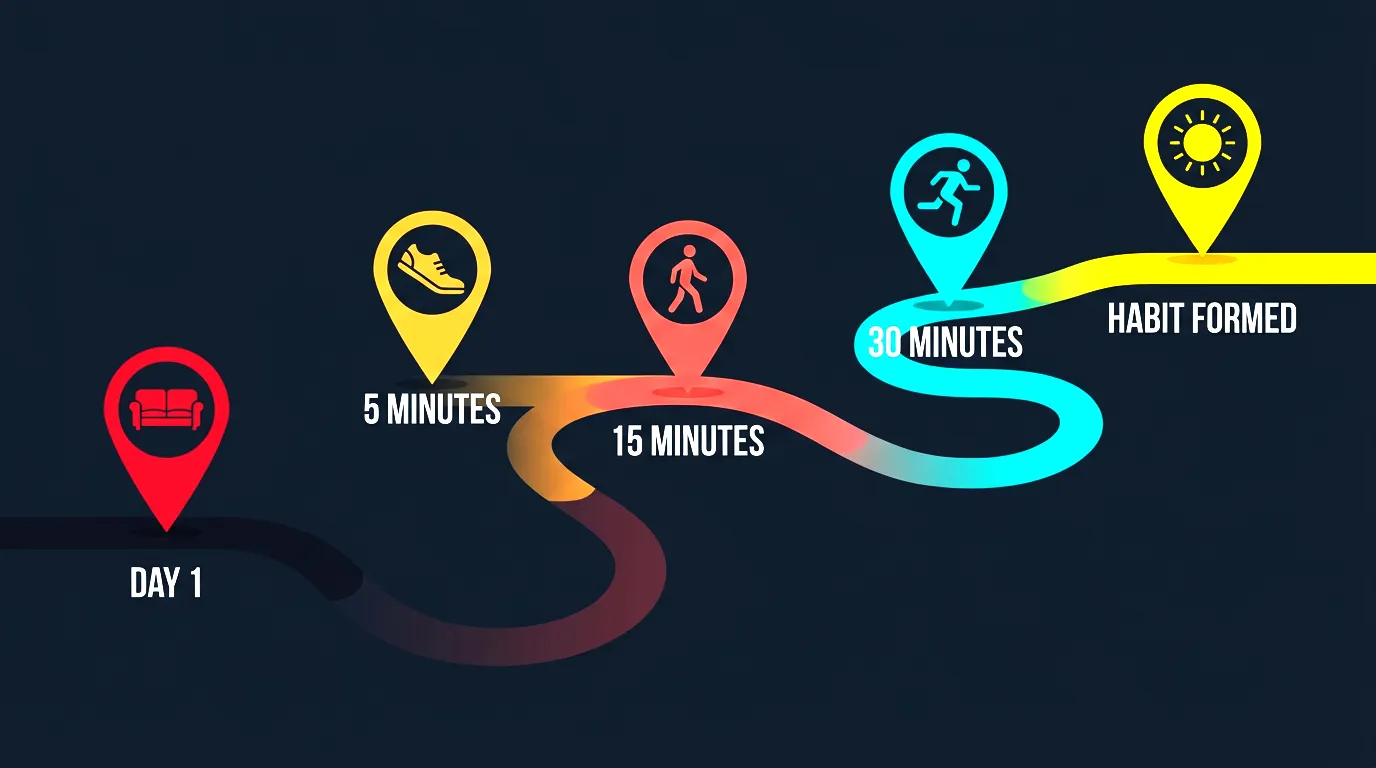
Don’t commit to a workout. Commit to putting on your shoes and walking outside for 5 minutes. That’s it. If you want to turn around after 5 minutes, you can. Most people don’t.
This works because of a principle called behavioral activation. Depression tells you to wait until you feel motivated to act. But the research shows it works the other way. Action creates motivation, not the other way around.
The Minimum Effective Dose
Based on the research, here’s the bare minimum that produces measurable results:
- Frequency: 3 times per week
- Duration: 30 minutes per session
- Intensity: Moderate (you can talk but not sing)
- Timeline: Benefits appear within 4 weeks, peak around 8 to 12 weeks
But even less than that helps. A 2026 Cochrane review found that completing just 13 sessions of light exercise produced significant improvement.[2] That’s about a month of walking three times a week.
Pick What You’ll Actually Do
The best exercise for depression is the one you’ll stick with. The data shows that yoga and strength training had the highest adherence rates in the BMJ analysis, meaning people were least likely to drop out.[1]
If you hate running, don’t run. Try these instead:
- Walking is the most studied and most accessible option
- Yoga combines movement with breathwork and mindfulness
- Dancing has the biggest effect size and doesn’t feel like “exercise”
- Strength training builds confidence alongside physical gains
- Group fitness classes add social accountability
If your good habits never seem to stick, the problem is usually the system, not your willpower. Stack exercise onto something you already do. Walk after dinner. Do yoga before bed. Dance while cooking.
Build the Habit, Not the Body
The goal isn’t fitness. It’s consistency. A 2024 meta-analysis on BDNF found that the optimal exercise dose for elevating brain growth factors in depressed patients was moderate-intensity aerobic activity performed 3 to 5 times per week.[7]
Don’t try to go from zero to five days a week overnight. Start with two. Add a third when that feels easy. The compound effect of showing up repeatedly matters far more than any single intense session.
Recommended read: Atomic Habits by James Clear. The definitive guide to building habits that stick, including the “two-minute rule” that makes starting any new behavior almost effortless.
Exercise as Medicine, Not Just a Lifestyle Tip
For decades, doctors have told depressed patients to “try some exercise” in the same tone they recommend drinking more water. It was a nice suggestion, not a prescription. The 2024 BMJ study and the wave of 2025-2026 research following it demand a shift in thinking.
The Case for Prescribing Exercise
Consider what the data actually shows:
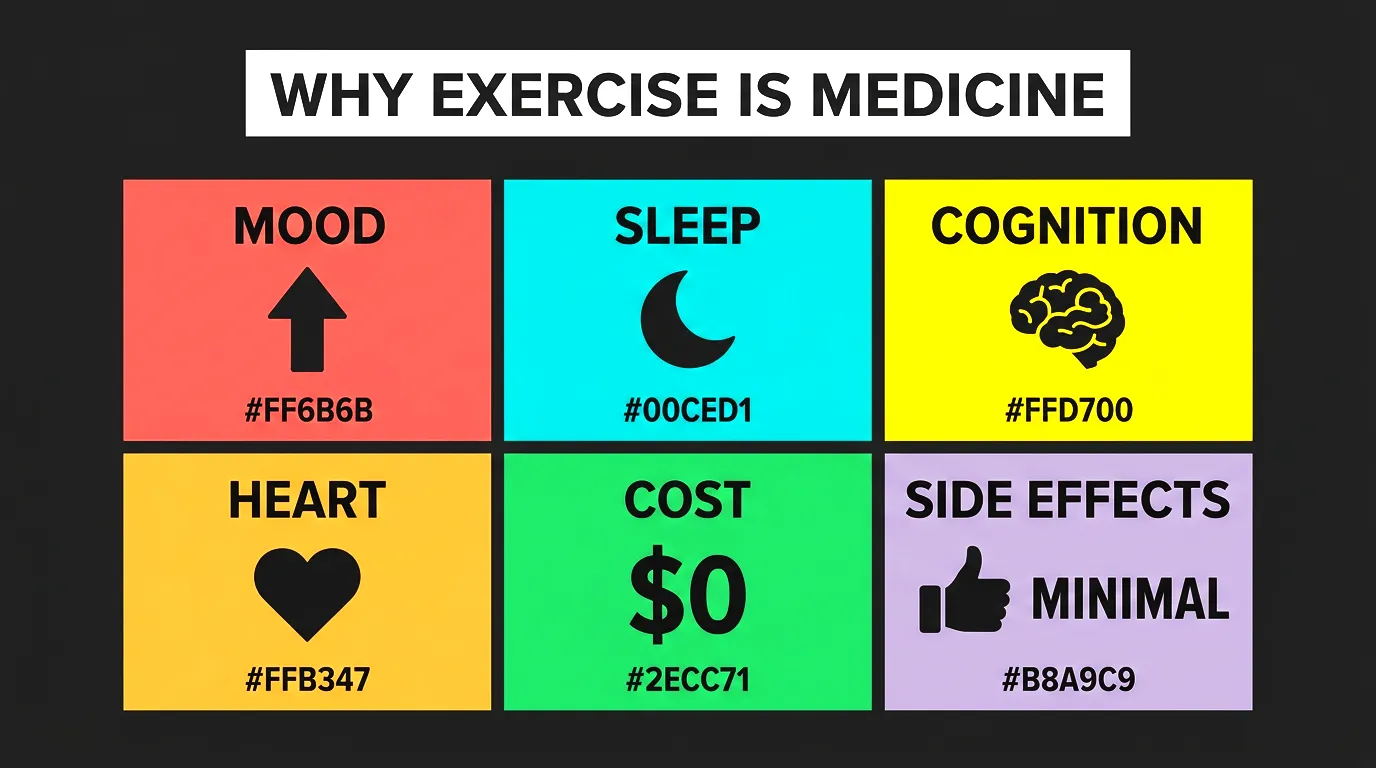
- Exercise matches or exceeds SSRIs in multiple large analyses
- It has fewer side effects than any psychiatric medication
- It improves cardiovascular health, sleep, and cognitive function simultaneously
- It costs nothing
- It works across age groups, genders, and severity levels
The 2026 British Journal of Sports Medicine review put it bluntly. Exercise performed as well as or better than medication and therapy across nearly 80,000 participants. They recommended it as a “first-line option” for depression treatment.[3]
Some countries are already acting on this. Australia, the UK, and several Nordic nations now include exercise in their clinical guidelines for depression treatment.[8]
What This Doesn’t Mean
This research does NOT mean you should stop taking your medication. It does NOT mean depression is just laziness. And it does NOT mean a jog can fix severe, treatment-resistant depression on its own.
What it means is that exercise deserves a seat at the table alongside SSRIs and CBT as a legitimate, evidence-based treatment. Not as an afterthought. Not as a supplement. As a core intervention.
The Identity Shift
The real power of exercise for depression may go beyond brain chemistry. When you show up consistently, something changes in how you see yourself. You go from “someone who’s depressed” to “someone who moves.”
That identity shift matters. It creates a feedback loop. You move, so you feel slightly better, so you’re more likely to move again. Over weeks, that loop strengthens into something that medication alone can’t build: self-efficacy, the belief that you can influence your own wellbeing.
If you’re skeptical about whether you can actually change who you are, the neuroscience is clear. Your brain is plastic. Every walk, every yoga class, every dance session is literally rewiring it.
Recommended read: Rewire by Nicole Vignola. A neuroscientist’s toolkit for understanding how your brain builds and breaks patterns, with practical strategies for lasting behavioral change.
Sources
The Largest Depression Study You’ve Never Heard Of
Which Exercises Fight Depression Best
2. Exercise for depression (Cochrane Database of Systematic Reviews, 2026)