For decades, scientists told you that your brain stops making new cells sometime in childhood. That the neurons you’re born with are all you’ll ever get. And that once they die off, they’re gone forever.
Turns out they were wrong.
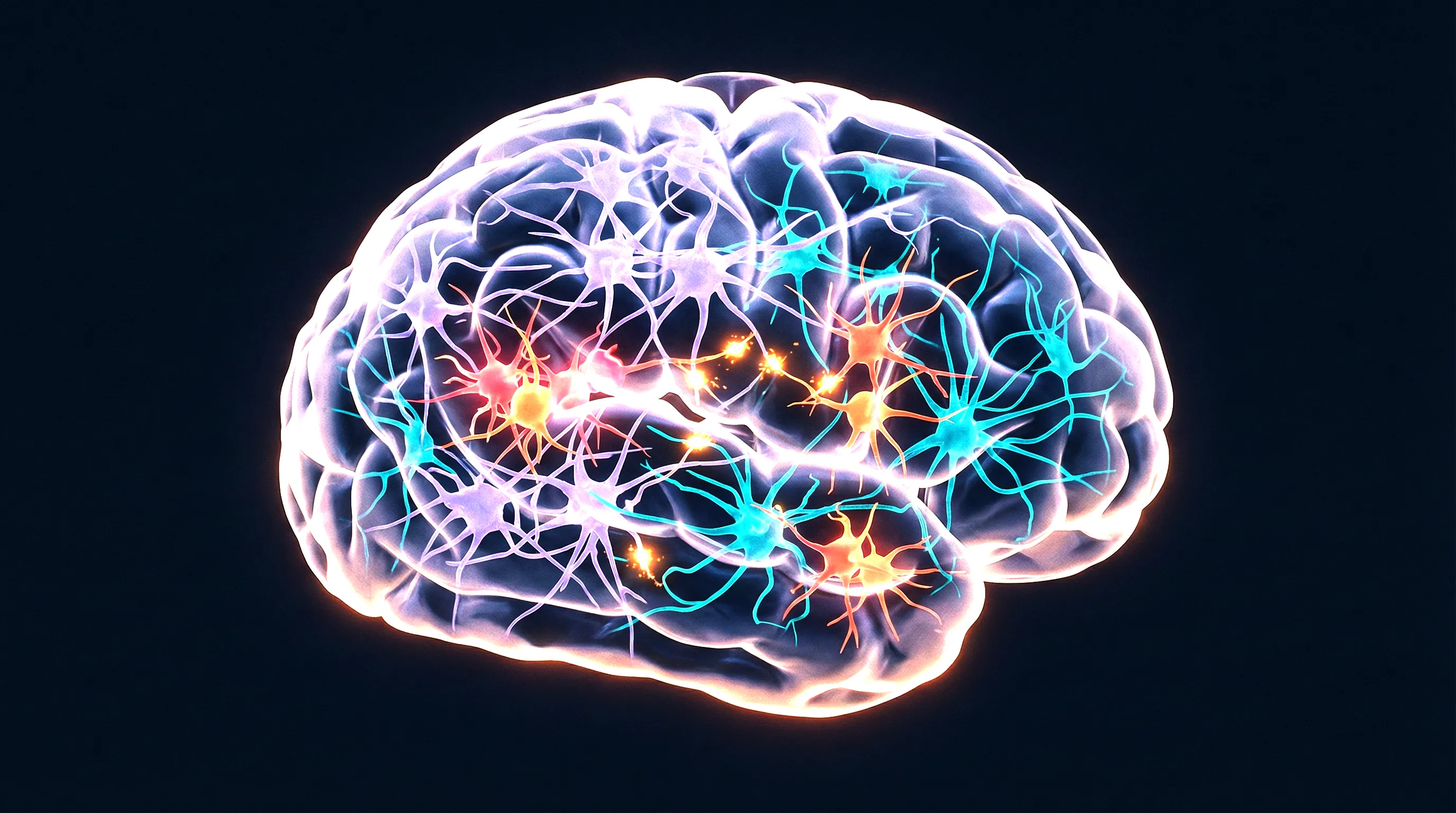
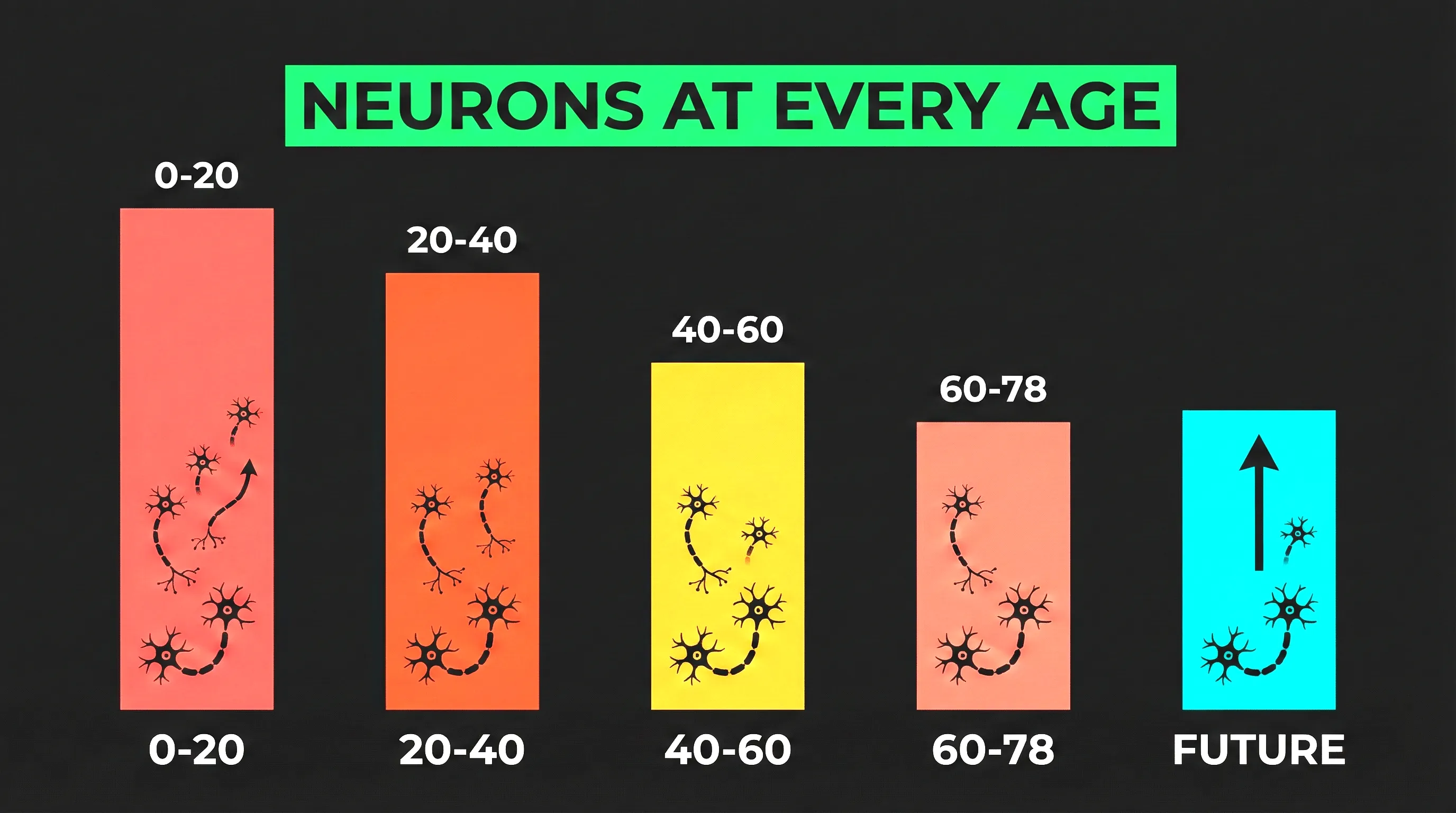
A landmark 2025 study published in Science just confirmed something that changes everything we thought about the aging brain. Your brain keeps growing brand new neurons well into your 70s. The cells responsible for creating them were found in brains as old as 78 years.
This isn’t speculation. It’s not a mouse study. It’s hard genetic evidence from human brain tissue. And it settles a scientific debate that’s been raging for over 60 years.
The 60-Year Debate That Divided Neuroscience
The idea that adults can grow new brain cells has been one of the most controversial topics in neuroscience. For most of the 20th century, the accepted dogma was simple. You’re born with all the neurons you’ll ever have. End of story.
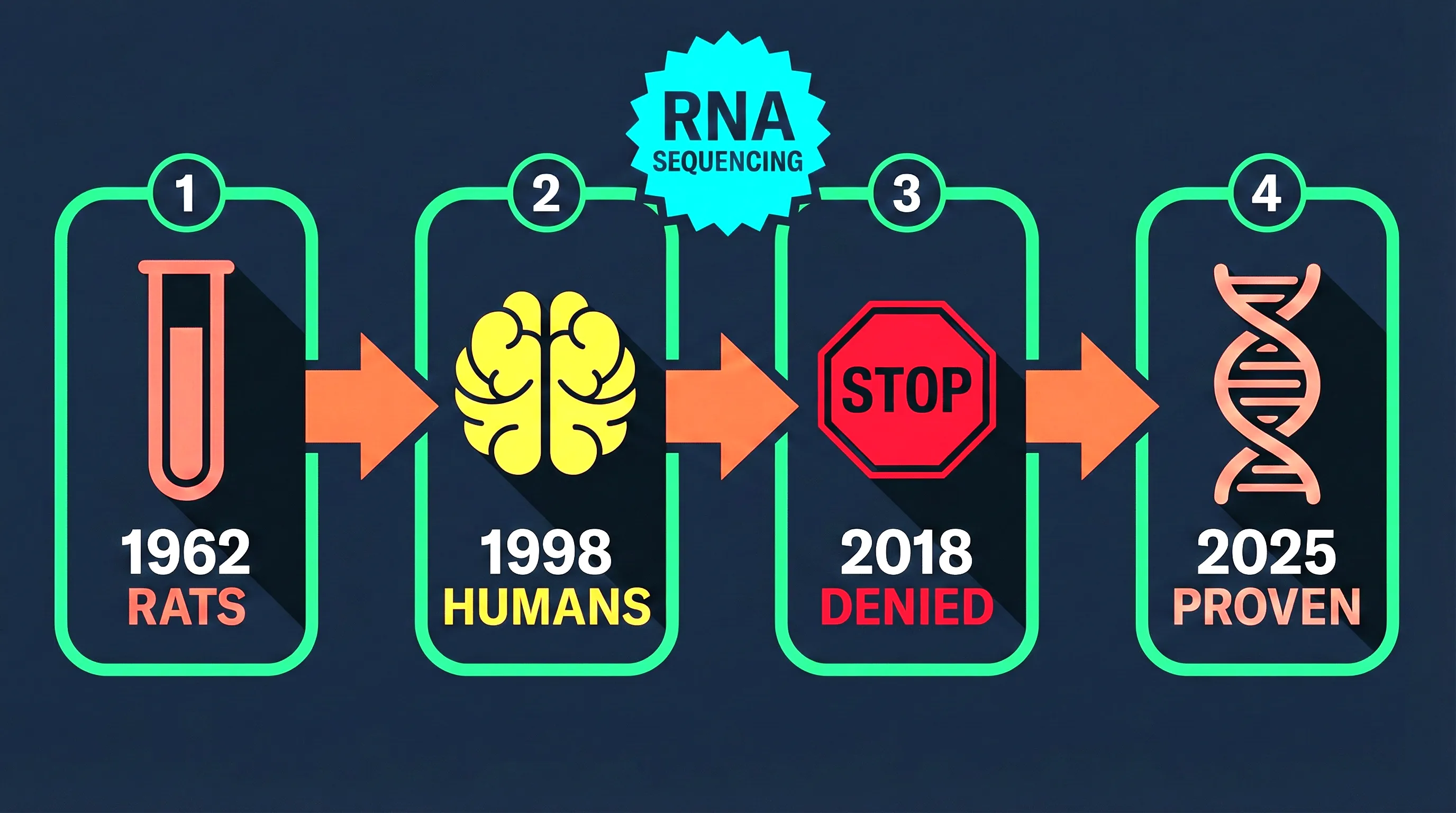
Then in 1962, a researcher named Joseph Altman published a study titled “Are New Neurons Formed in the Brains of Adult Mammals?” He found evidence of new cell growth in adult rat brains. The scientific establishment mostly ignored him.
It took 36 years for someone to demonstrate the same thing in humans. In 1998, researchers Peter Eriksson and Fred “Rusty” Gage used a chemical called BrdU (bromodeoxyuridine) to label dividing cells in the brains of cancer patients who had agreed to donate their tissue to science. They found new neurons in the hippocampus, the brain’s memory center.[1]
That was a bombshell. But the controversy was far from over.
The 2018 Study That Threw Everything Into Doubt
In 2018, neuroscientist Arturo Alvarez-Buylla at UC San Francisco published a study in Nature that seemed to slam the door shut.[2] His team examined 59 brain samples and concluded that neuron production drops to nearly undetectable levels after childhood. By adulthood, they argued, there are essentially no new neurons being made.
The media ran with it. Headlines declared that adult neurogenesis was dead. Some scientists called it the most definitive evidence yet against adult brain cell growth.
But others weren’t convinced. The problem was that the techniques used couldn’t distinguish between truly new neurons and older cells that happened to look immature. Nobody had found the actual parent cells. The neural progenitor cells that would prove new neurons were actively being born.
Until now.
Recommended read: Why We Remember by Charan Ranganath — A neuroscientist reveals how your hippocampus decides what sticks and what fades, and why memory isn’t what you think it is.
What the 2025 Study Actually Found
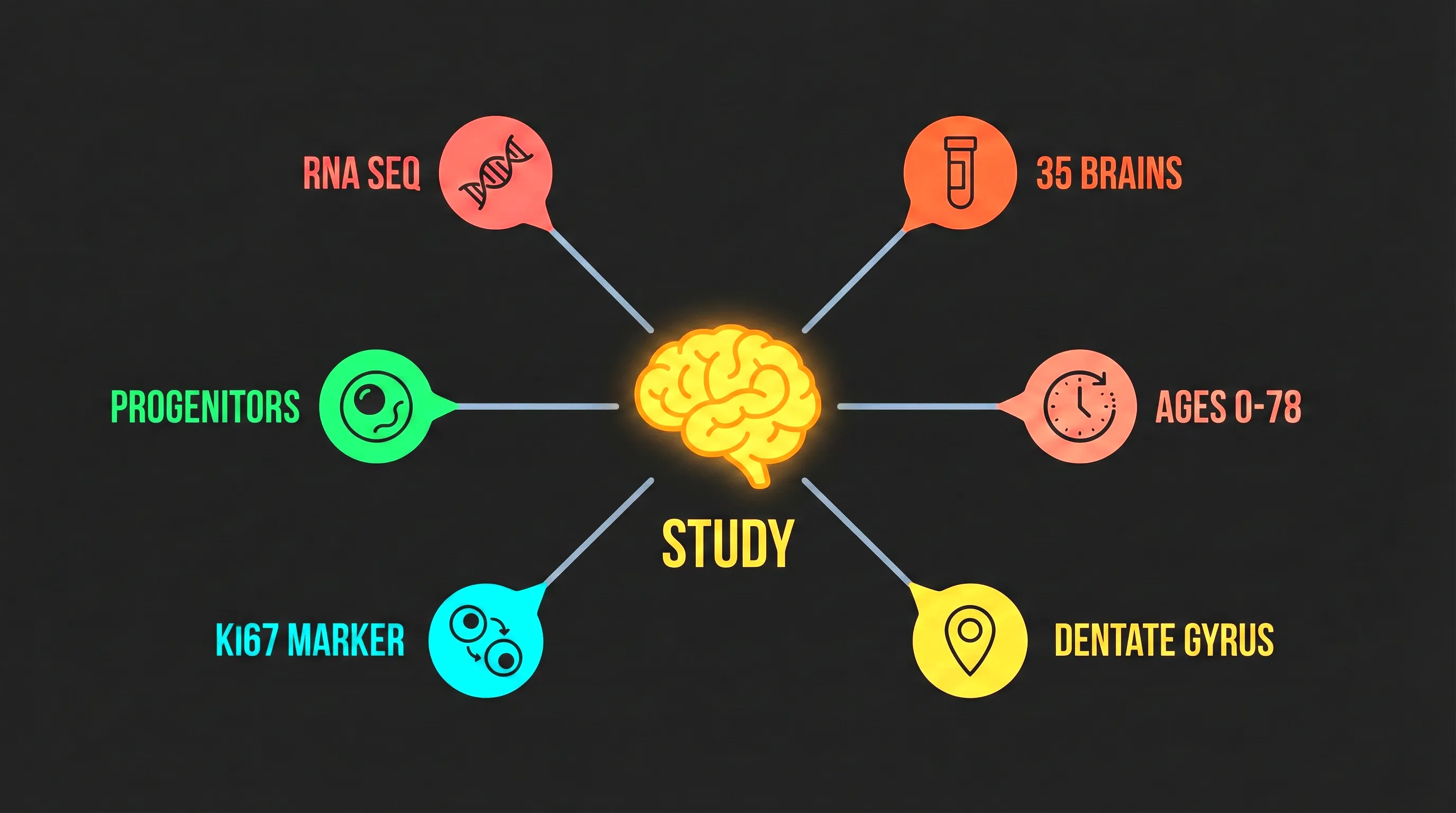
In July 2025, a team led by Jonas Frisén, Professor of Stem Cell Research at Karolinska Institutet in Sweden, published their findings in Science (Vol. 389, Issue 6755).[3] What they did was fundamentally different from any previous study.
The researchers collected post-mortem brain tissue from 35 people ranging from newborns to 78-year-olds. Then they used a cutting-edge technique called single-nucleus RNA sequencing to analyze gene activity in individual cell nuclei. They examined over 100,000 cells from child brains alone.
Here’s the key finding. In child brains, they identified every stage of the neuron creation process. Neural stem cells, progenitor cells, and fully immature neurons. All present, all actively dividing.
Then they looked for those same genetic signatures in 19 adolescent and adult brains (ages 13 to 78). The results were stunning.
- All 19 brains contained immature neurons (except one individual)
- 12 of the 19 adolescent and adult brains contained neural progenitor cells, the parent cells that birth new neurons
- The new cells were located in the dentate gyrus, a specific region of the hippocampus critical for memory
- They confirmed the cells were actively dividing using the proliferation marker Ki67 and machine learning algorithms
| What They Found | Children (0-12) | Teens & Adults (13-78) |
|---|---|---|
| Neural stem cells | Present in all | Present in most |
| Neural progenitor cells | All samples | 12 of 19 samples |
| Immature neurons | All samples | 18 of 19 samples |
| Active cell division | Confirmed | Confirmed via Ki67 |
“We have now been able to identify these cells of origin, which confirms that there is an ongoing formation of neurons in the hippocampus of the adult brain.” — Jonas Frisén, Karolinska Institutet
One crucial finding. There were large variations between individuals. Some adults had many neural progenitor cells. Others had hardly any. That variation could explain why the 2018 study missed them entirely. If you’re only looking at a handful of brains and some of them happen to be low producers, you might conclude the process doesn’t exist at all.
If you’re curious about how your brain continues to change as you age, this study adds powerful evidence that your brain is far more adaptable than anyone previously believed.
Why This Matters for Your Memory and Mental Health
This isn’t just an academic curiosity. Adult neurogenesis in the hippocampus is directly tied to some of the most important functions your brain performs every day.
The hippocampus is your brain’s memory command center. It’s where short-term experiences get converted into long-term memories. It’s also where you learn to distinguish between similar experiences, a process called pattern separation. Without it, you’d confuse last Tuesday with last Thursday. You’d mix up where you parked your car today with where you parked it yesterday.
New neurons appear to be essential for this process. Research shows that freshly born neurons integrate into existing circuits and help your brain stay flexible and responsive to new information. Even the simple act of recalling nostalgic memories activates the hippocampus and may support the same neural circuits where new neurons grow.
The Depression Connection
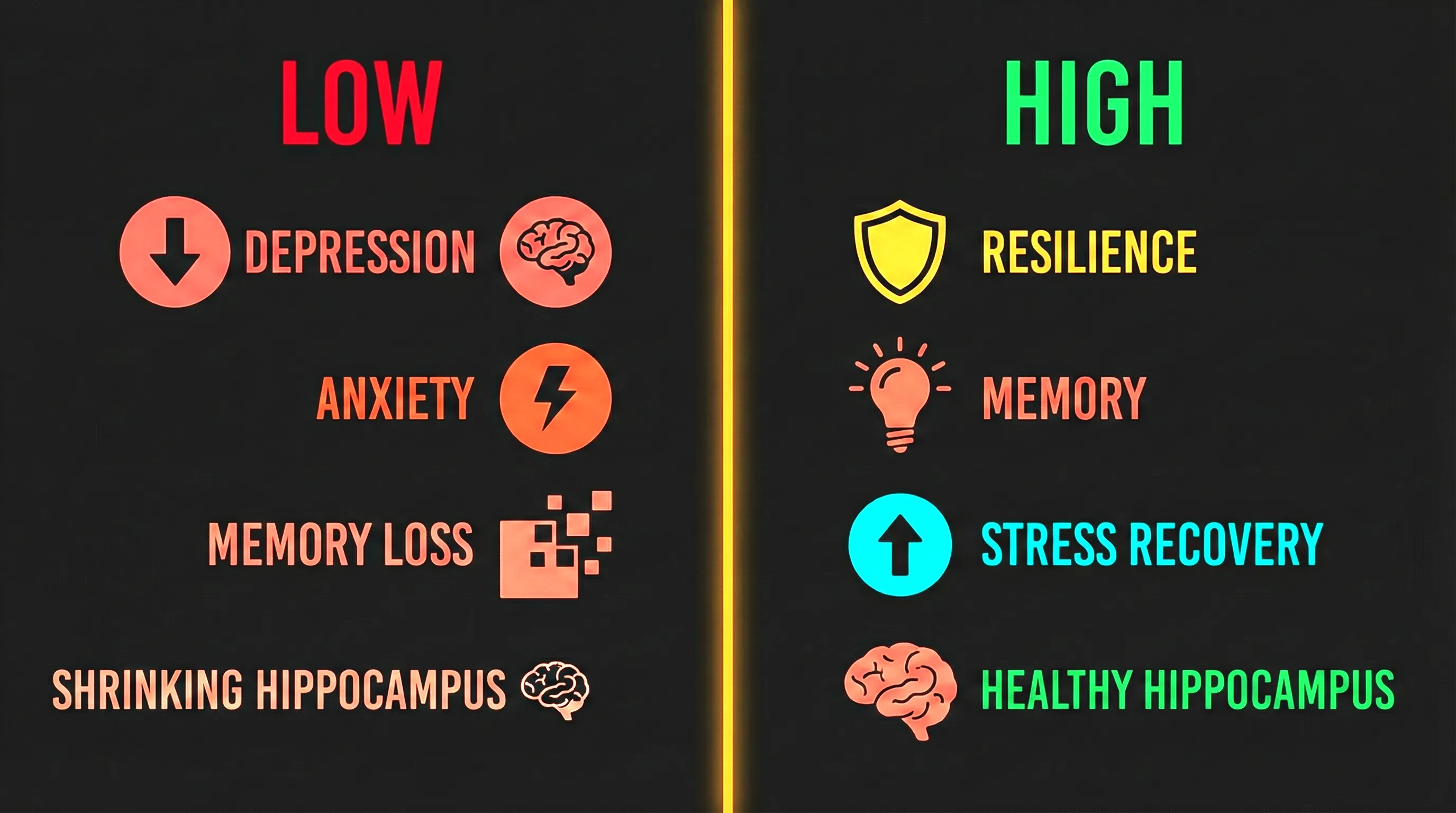
Here’s where it gets even more interesting. Decades of research have linked reduced neurogenesis to depression, anxiety, and PTSD.
- Chronic stress floods your brain with cortisol, which suppresses the production of new neurons in the hippocampus[8]
- Antidepressants (particularly SSRIs) have been shown to boost neurogenesis, and some researchers believe this is part of how they work. Even more striking, a single psilocybin dose grew new dendritic spines within 24 hours and produced depression remission lasting over two years
- People with major depression often show reduced hippocampal volume on brain scans
- Increasing neurogenesis in animal studies is enough to reduce anxiety and depression-like behaviors[5]
A 2022 study in npj Science of Learning found that the relationship between neurogenesis and mental health works both ways.[4] New neurons help regulate your stress response. But chronic stress kills off the very cells that would help you cope.
“Our research may also have implications for the development of regenerative treatments that stimulate neurogenesis in neurodegenerative and psychiatric disorders.” — Jonas Frisén, Karolinska Institutet
This has massive implications for conditions like Alzheimer’s disease, PTSD, and treatment-resistant depression. If we can figure out how to boost or protect neurogenesis in aging brains, we might be able to slow cognitive decline or improve recovery from trauma. Researchers are already making progress on the Alzheimer’s front, with 40Hz light and sound therapy showing real results in slowing the disease.
Recommended read: The Balanced Brain by Camilla Nord — A neuroscientist explains how your brain constructs your sense of mental health, from dopamine and serotonin to the treatments that actually work.
How to Support Your Brain’s Ability to Grow New Neurons
Now for the part you actually care about. If your brain keeps making new neurons, can you do anything to help it along?
The short answer is yes. And the research is surprisingly clear on what works.
Exercise Is the Single Best Thing You Can Do
This one comes up again and again in the literature. Aerobic exercise is the most powerful natural neurogenesis booster we know of.
A 2011 study in PNAS found that older adults (average age 67) who did aerobic exercise for one year showed an average 2% increase in hippocampal volume.[6] The control group that only did stretching saw their hippocampi shrink. That’s a reversal of 1-2 years of age-related volume loss.
A 2025 study published in Aging Cell identified a specific molecular pathway. Exercise triggers the release of a hormone called irisin, which reduces inflammation in the hippocampus and directly promotes the survival of new neurons.[7]
The optimal dose, according to a 2025 Frontiers review, is moderate-intensity aerobic exercise (60-70% max heart rate) for 30-40 minutes, 3-4 times per week. Think brisk walking, cycling, swimming, or jogging.
Sleep Protects Your New Neurons
Your brain doesn’t just rest when you sleep. It consolidates memories and protects newly born neurons.
Research shows that sleep deprivation significantly reduces neurogenesis. It does this by:
- Suppressing BDNF (brain-derived neurotrophic factor), a key growth protein
- Reducing levels of IGF-1 (insulin-like growth factor), which supports new cell survival
- Increasing cortisol, which is toxic to neural progenitor cells
If your brain is busy making new neurons during the day, sleep is when those neurons get integrated into your existing memory circuits.
What Helps and What Hurts
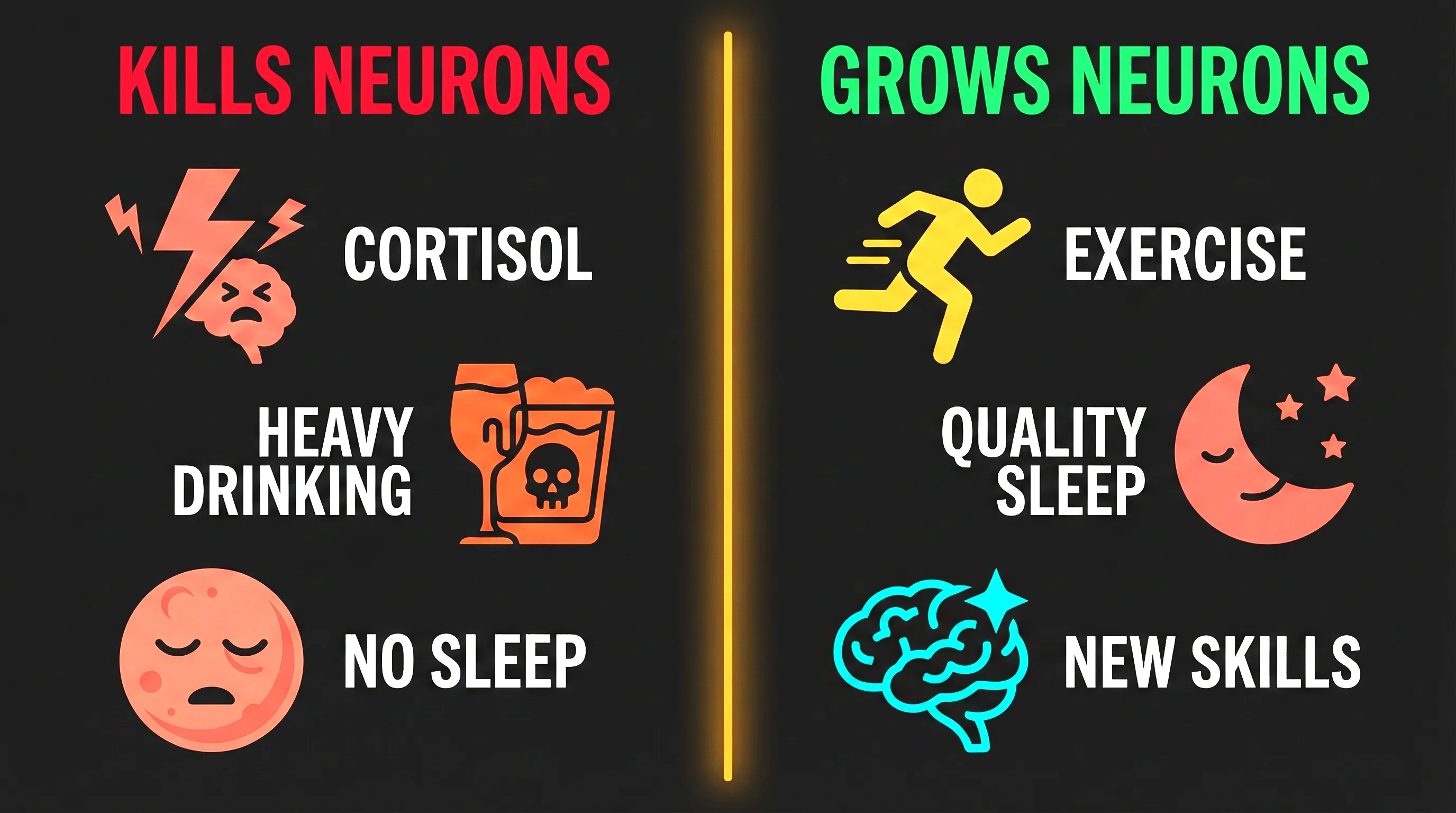
| Boosts Neurogenesis | Kills Neurogenesis |
|---|---|
| Aerobic exercise (30-40 min, 3-4x/week) | Chronic stress and high cortisol |
| Quality sleep (7-9 hours) | Sleep deprivation |
| Learning new skills | Social isolation |
| Caloric restriction (modest) | Chronic heavy alcohol use |
| Social connection | Sedentary lifestyle |
| Omega-3 fatty acids | Chronic inflammation |
And if your brain is still developing into your 30s, the combination of neuroplasticity and neurogenesis means you have far more capacity for change than you’ve been told.
Recommended read: Rewire by Nicole Vignola — A neuroscientist’s practical toolkit for harnessing neuroplasticity to break bad patterns and build lasting change.
Your Brain Is More Resilient Than Anyone Thought
Let’s zoom out and think about what this really means.
For most of modern neuroscience, the story of the aging brain was a story of decline. You’re born with a fixed set of neurons. They die off over time. And once they’re gone, they’re gone.
That story was always too simple. We already knew about neuroplasticity, the brain’s ability to rewire existing connections throughout life. But neurogenesis takes it further. Your brain isn’t just reorganizing the wiring. It’s building entirely new hardware.
The 2025 Karolinska study doesn’t just prove that adult neurogenesis exists. It shows us exactly where the parent cells live, what their genetic signatures look like, and confirms they’re actively dividing even in elderly people. This gives scientists a roadmap for future research.
What Comes Next
Frisén’s team is already looking ahead. The next questions are urgent.
- Why do some people have more neurogenesis than others? Is it genetics, lifestyle, or both?
- Does disease reduce neurogenesis? If Alzheimer’s or depression suppresses the parent cells, can we restart them?
- Can we develop drugs that boost neurogenesis? Now that we know the genetic markers of progenitor cells, targeted treatments become possible.
The fact that childhood trauma can physically rewire your brain made neuroplasticity personal. The fact that your brain never stops building new neurons makes resilience biological.
You were never stuck with the brain you had at 25. Or 45. Or 65. Your hippocampus is still making fresh neurons right now. The question isn’t whether your brain can change. It’s what you’re going to do with a brain that never stops growing.
Recommended read: How to Change a Memory by Steve Ramirez — A neuroscientist who created false memories at MIT explores the future of memory editing and what it means for healing.
Sources
The 60-Year Debate That Divided Neuroscience
1. Neurogenesis in the Adult Human Hippocampus (Nature Medicine, 1998)
What the 2025 Study Actually Found
3. Identification of Proliferating Neural Progenitors in the Adult Human Hippocampus (Science, 2025)
Why This Matters for Your Memory and Mental Health
How to Support Your Brain’s Ability to Grow New Neurons
6. Exercise Training Increases Size of Hippocampus and Improves Memory (PNAS, 2011)
7. Aerobic Exercise Restores Hippocampal Neurogenesis via Irisin/NLRP3 Pathway (Aging Cell, 2025)
Additional References
9. Genetic Evidence Our Brains Make New Neurons in Adulthood (Science/AAAS, 2025)
10. Proof That Adult Brains Make New Neurons Settles Scientific Controversy (Scientific American, 2025)
11. New Research Confirms That Neurons Form in the Adult Brain (Karolinska Institutet, 2025)
12. Identification of Proliferating Neural Progenitors in the Adult Human Hippocampus (PubMed, 2025)