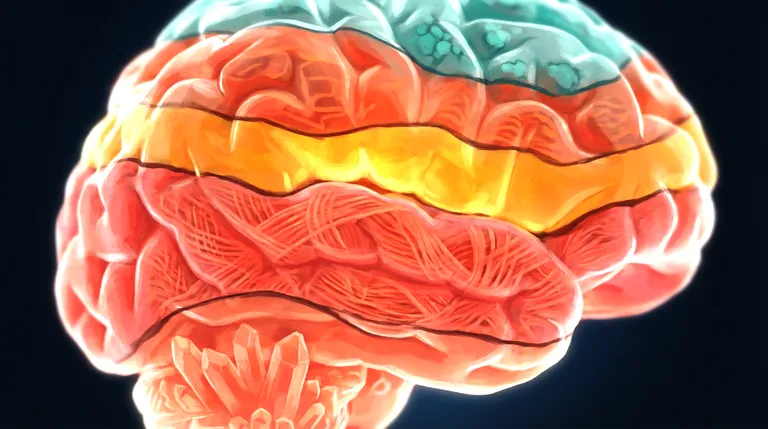

You’ve probably heard someone say it. “That’s just who I am.” Maybe you’ve said it yourself. It feels true. Your personality seems like a fixed part of you, baked in at birth and impossible to rewire.
But what if that belief is the very thing keeping you stuck?
A growing body of research is flipping the script on personality. Scientists now have hard evidence that your traits can shift. Not just slowly over decades. In some cases, meaningfully in just a few months.
Your Personality Was Never as Fixed as You Thought
For most of the 20th century, psychologists treated personality like eye color. You got what you got. The Big Five personality traits, the gold standard framework in personality science, seemed to confirm this. These five dimensions are openness, conscientiousness, extraversion, agreeableness, and neuroticism.
But longitudinal studies tell a different story. A landmark study published in the Journal of Personality and Social Psychology tracked thousands of people across decades and found clear patterns.[1]
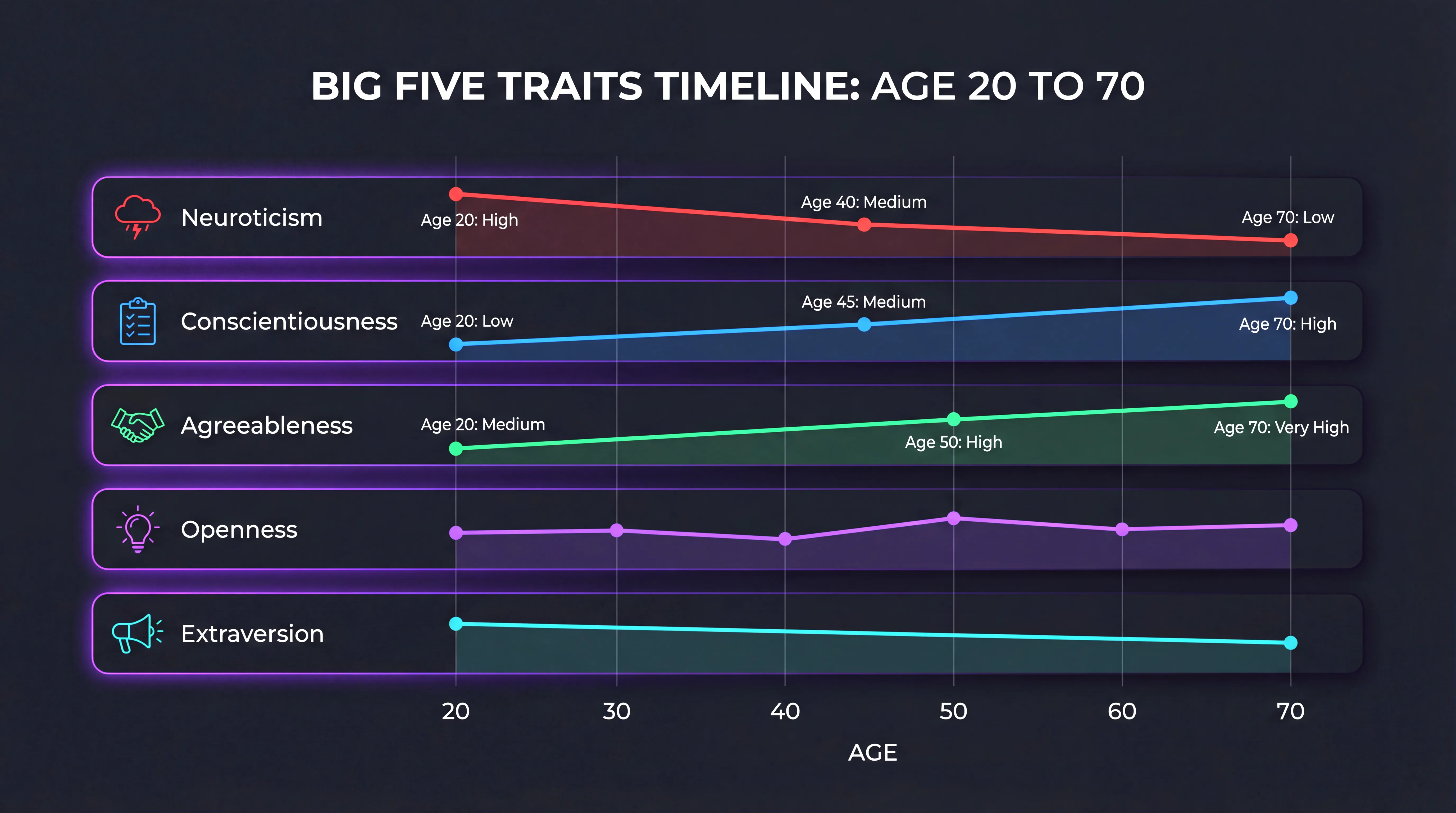
- Neuroticism tends to decrease as you age. You literally become less anxious over time.
- Agreeableness and conscientiousness increase through middle age. You get better at showing up and getting along.
- Openness and extraversion dip slightly in later adulthood.
These aren’t tiny fluctuations. They’re meaningful shifts that reshape how you experience the world. And they happen to almost everyone.
“Personality traits are not set in stone. They change across the life span in ways that suggest maturation.” — Brent Roberts, University of Illinois
Here’s the twist. These changes don’t just happen randomly. A 2013 meta-analysis found that personality change is strongly linked to how much people invest in social roles.[2] Work, family, volunteering, and community involvement all pull your traits in new directions.
Your personality isn’t a fixed blueprint. It’s more like a living document that gets edited by your choices and experiences.
The Science of Choosing Who You Become
Natural change is one thing. But can you deliberately reshape your personality? Researchers at the University of Zurich decided to find out.
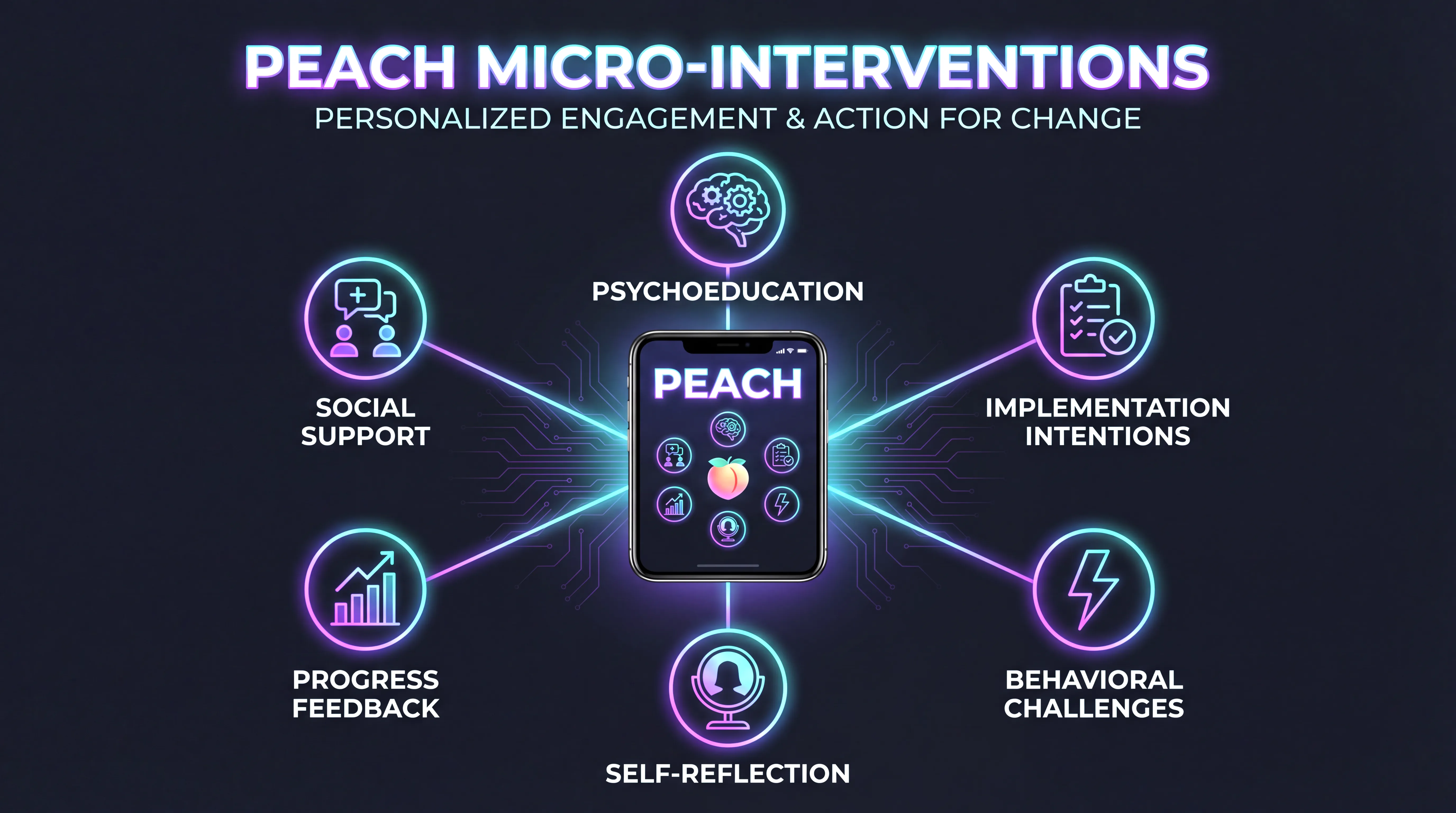
They built a smartphone app called PEACH (PErsonality coACH) and ran a randomized controlled trial with over 1,500 participants. The study, published in PNAS, became one of the most talked-about personality studies of the decade.[3]
Here’s how it worked. Participants picked one Big Five trait they wanted to change. The app then delivered daily micro-interventions over 10 weeks.
- Implementation intentions. Specific if-then plans tied to real situations.
- Behavioral challenges. Small daily actions designed to push the target trait.
- Psychoeducation. Bite-sized lessons about the trait they were working on.
- Self-reflection prompts. Journaling exercises to build awareness.
- Progress feedback. Personalized reports showing movement over time.
The results were striking. Participants showed significant self-reported personality changes in their target trait compared to the waitlist control group. Even more convincing, close friends and family members independently confirmed seeing the changes.
| What Changed | How Much | Who Noticed |
|---|---|---|
| Self-reported trait scores | Significant shift in desired direction | Participants themselves |
| Observer-reported changes | Significant and lasting | Friends, family, partners |
| Duration of change | Persisted 3 months after intervention ended | Both self and observers |
This wasn’t wishful thinking or placebo. Outside observers who didn’t know about the study goals were detecting real behavioral shifts.[3]
“This work provides the strongest evidence to date that normal personality traits can be changed through intervention.” — Mirjam Stieger, lead researcher
Recommended read: Personality Isn’t Permanent by Benjamin Hardy — a compelling argument for why your identity is far more flexible than pop psychology suggests, backed by research on deliberate personality change.
Why Most People Fail at Changing Themselves
If personality change is possible, why do most self-improvement attempts fizzle out? A 2024 systematic review in Communications Psychology analyzed 30 studies with 7,719 participants and found a clear pattern.[4]
Simply wanting to change your personality barely moves the needle. Having a vague goal like “I want to be more outgoing” is almost useless on its own.
What actually works is structured intervention. The review found that people who used specific tools and frameworks showed real, lasting changes.[4] People who just wished for change did not.
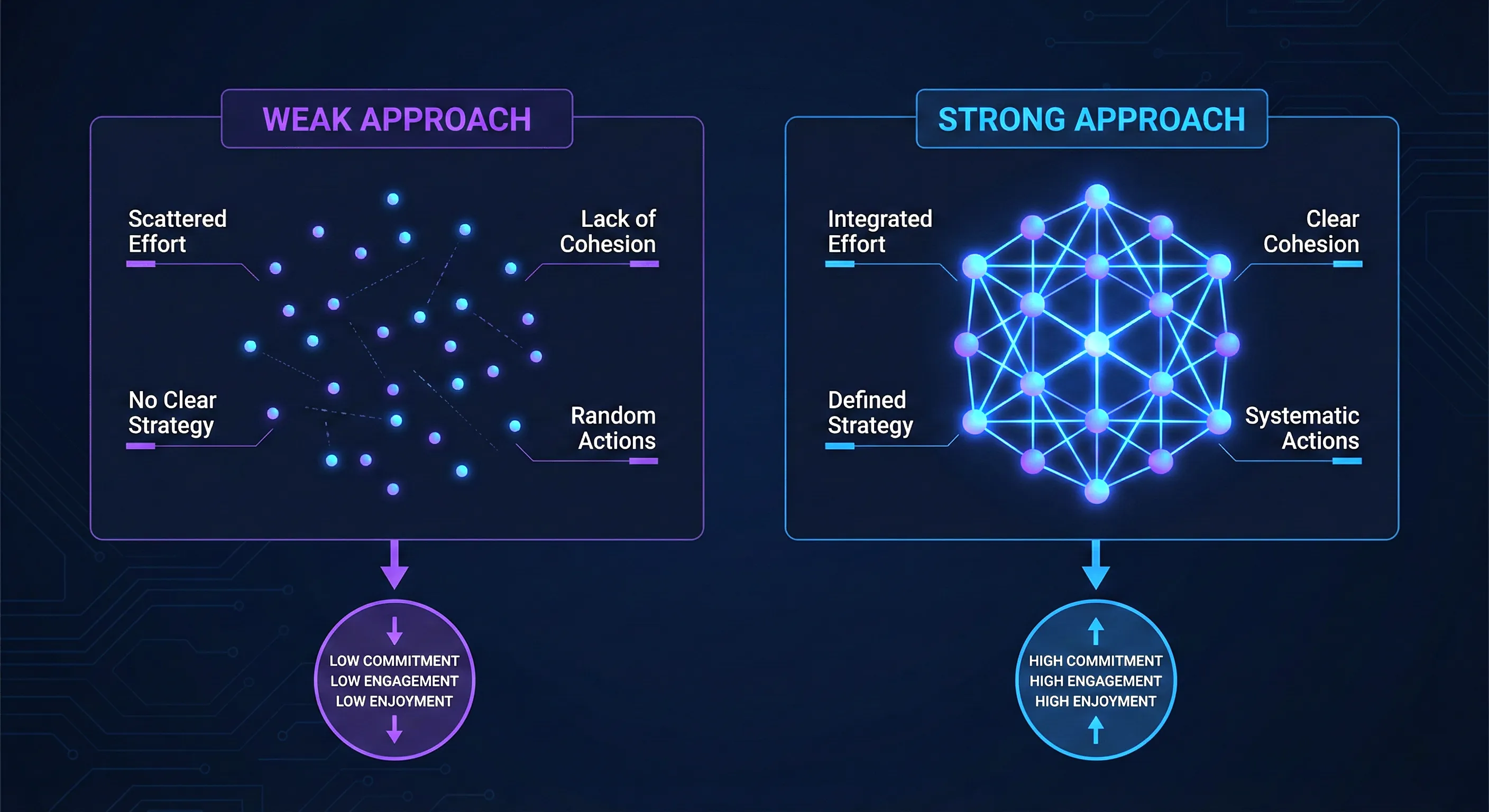
- Weak approach. “I want to be less anxious.” No plan, no structure, no accountability.
- Strong approach. “When I feel anxious before a meeting, I will take three deep breaths and remind myself I’m prepared.” Specific trigger, specific action.
A 2025 study published in the European Journal of Personality reinforced this finding.[5] Researchers tracked 956 participants through a 12-week personality intervention and found that success depended on three factors.
- Commitment to the change goal. Half-hearted attempts produced half-hearted results.
- Completion of implementation intentions. People who actually did the daily exercises changed. People who skipped them didn’t.
- Enjoyment of the process. Participants who found their micro-interventions fun or meaningful stuck with them longer and changed more.
This lines up with a lesson from the famous marshmallow test. Psychologist Walter Mischel originally framed it as a test of willpower. But later replications told a different story. A large 2018 replication by Tyler Watts and colleagues found that once you control for socioeconomic status, the marshmallow test’s predictive power mostly disappears. Kids from wealthier families had more reason to trust that the second marshmallow would actually come. The kids who waited weren’t just tougher. They had better circumstances, and they used strategies like distraction, singing, and covering their eyes. They used systems, not sheer force.
The same principle applies to changing habits that never seem to stick. Personality change isn’t about trying harder. It’s about trying smarter.
Recommended read: Atomic Habits by James Clear — the definitive guide to building identity-based habits, which is essentially personality change at the behavioral level.
How to Start Reshaping Your Personality Today
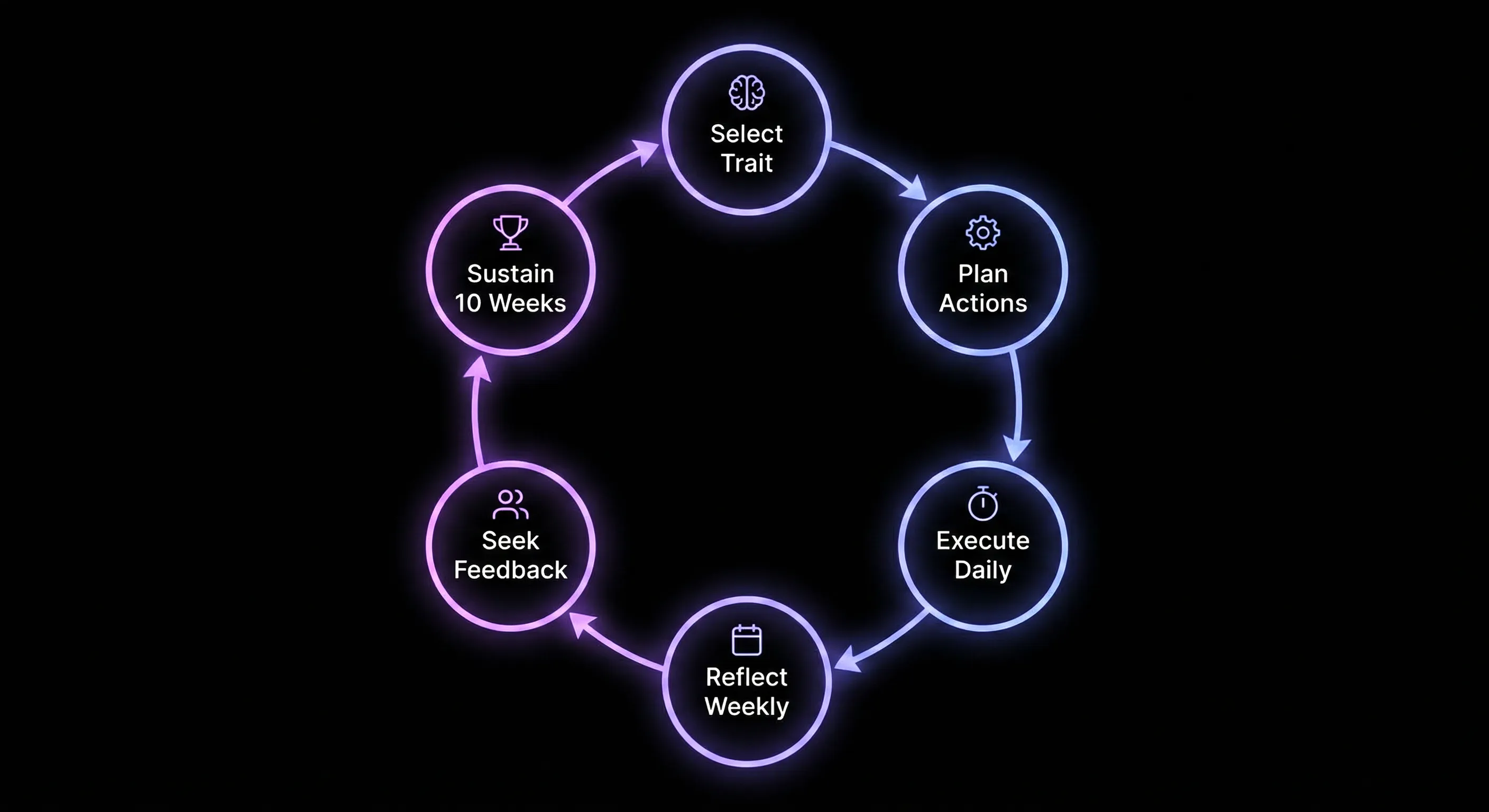
You don’t need a fancy app to begin. The research points to a clear framework anyone can use. Here are the steps that actually move the needle, based on what worked in clinical trials.
-
Pick one trait. Don’t try to overhaul your entire personality at once. Choose the single Big Five dimension that matters most to you right now. Want less anxiety? Target neuroticism. Want more discipline? Target conscientiousness.
-
Write implementation intentions. These are specific if-then plans. “If I arrive at a party and feel the urge to leave, then I will introduce myself to one new person first.” Research shows these beat vague goals by a wide margin.
-
Do one small behavioral challenge daily. The PEACH study used micro-challenges that took just a few minutes. If you’re targeting extraversion, your challenge might be complimenting a stranger. If you’re targeting conscientiousness, it might be making your bed before checking your phone.
-
Track and reflect weekly. Spend five minutes each week writing about what you noticed. Did the challenges feel easier? Did you catch yourself acting differently without trying? Self-reflection was a core component of every successful intervention.
-
Get an accountability observer. Tell a close friend or partner what you’re working on. The PEACH study found that observer-reported changes were just as significant as self-reported ones. Other people often notice your shifts before you do.
-
Commit for at least 10 weeks. The research consistently shows that meaningful change requires sustained effort. Not years. But not days either. Three months is the sweet spot.
A global survey found that roughly 60% of college students worldwide report actively trying to change their personality.[6] The desire is universal. The difference between those who succeed and those who don’t comes down to whether they use a structured approach or just hope for the best.
This mirrors what researchers found about why rewards can actually destroy motivation. External pressure alone doesn’t create lasting change. Internal commitment paired with the right system does.
Recommended read: Mindset by Carol Dweck — the foundational work on growth mindset that explains why believing change is possible is the first step to making it happen.
The Person You’ll Be in Ten Years
Here’s the most surprising finding from personality research. Change doesn’t stop when the intervention ends.
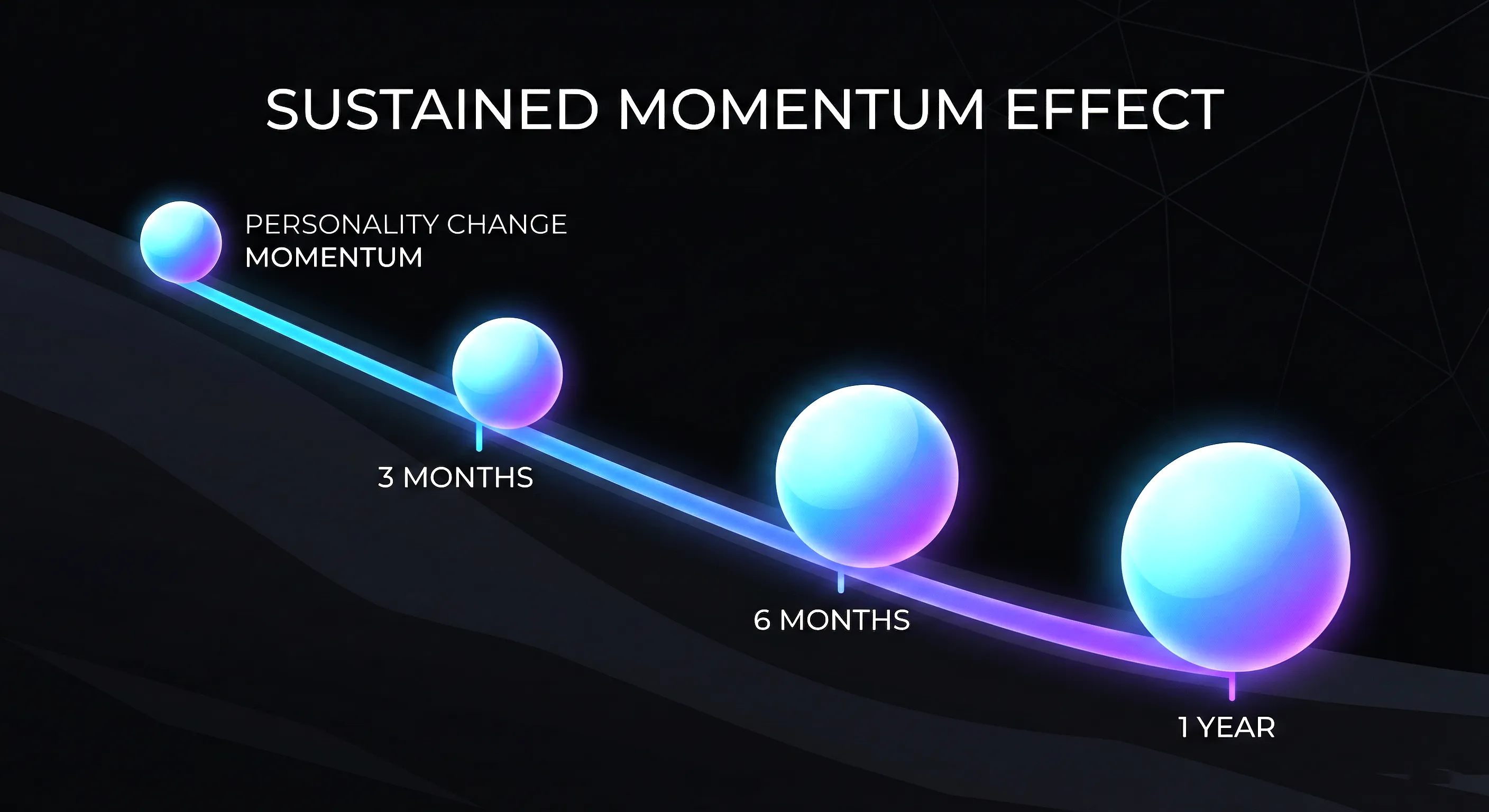
The PEACH study’s one-year follow-up revealed something remarkable. Personality changes didn’t just persist after participants stopped using the app.[3] In many cases, the changes continued growing in the desired direction. The intervention seemed to create a kind of momentum. Once people started behaving differently, their new behaviors reinforced themselves.
This makes sense when you think about it. If you practice being more conscientious for three months, you start getting positive feedback. You show up on time, people trust you more, your work improves, and that feels good. So you keep doing it. The behavior becomes self-sustaining.
Psychologist Dan McAdams calls this the narrative identity concept. You don’t just have traits. You have a story about who you are. When you deliberately shift your behavior and see results, you start telling yourself a different story. And that new story shapes everything that follows. The culture you grow up in shapes that story more than most people realize.
The old idea that personality is locked in by age 30 is dead.[8] A 2025 UC Davis study found that personality traits show up dynamically in everyday life and that the people closest to you are more likely to notice your changes than you are.[9] Your brain is constantly updating its patterns based on what you do. In fact, many of these changes work in your favor. Research shows that aging brains actually get better at emotional regulation and life satisfaction.
You are not the person you were five years ago. And you won’t be the same person five years from now. The only question is whether that change happens to you or because of you.
Recommended read: The Power of Habit by Charles Duhigg — explains the neurological loop behind habit formation, which is the mechanism through which personality changes become automatic and permanent.
Your personality isn’t a prison sentence. It’s a draft. And you hold the pen.
Sources
Your Personality Was Never as Fixed as You Thought
The Science of Choosing Who You Become
3. Changing Personality Traits With the Help of a Digital Personality Change Intervention (PNAS, 2021)
Why Most People Fail at Changing Themselves
4. A Systematic Review of Volitional Personality Change Research (Communications Psychology, 2024)