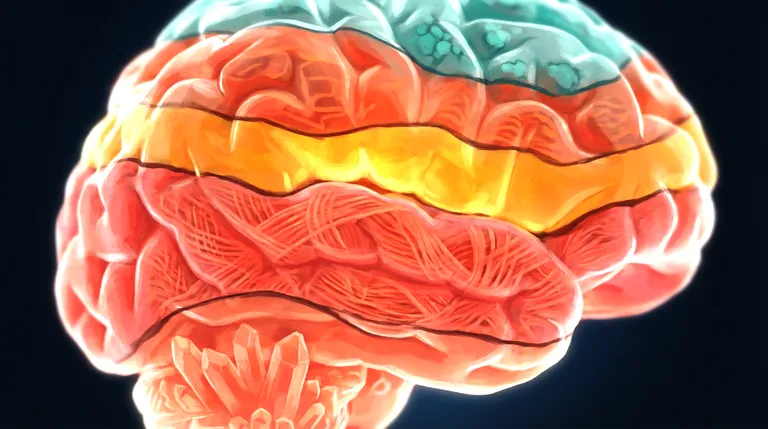
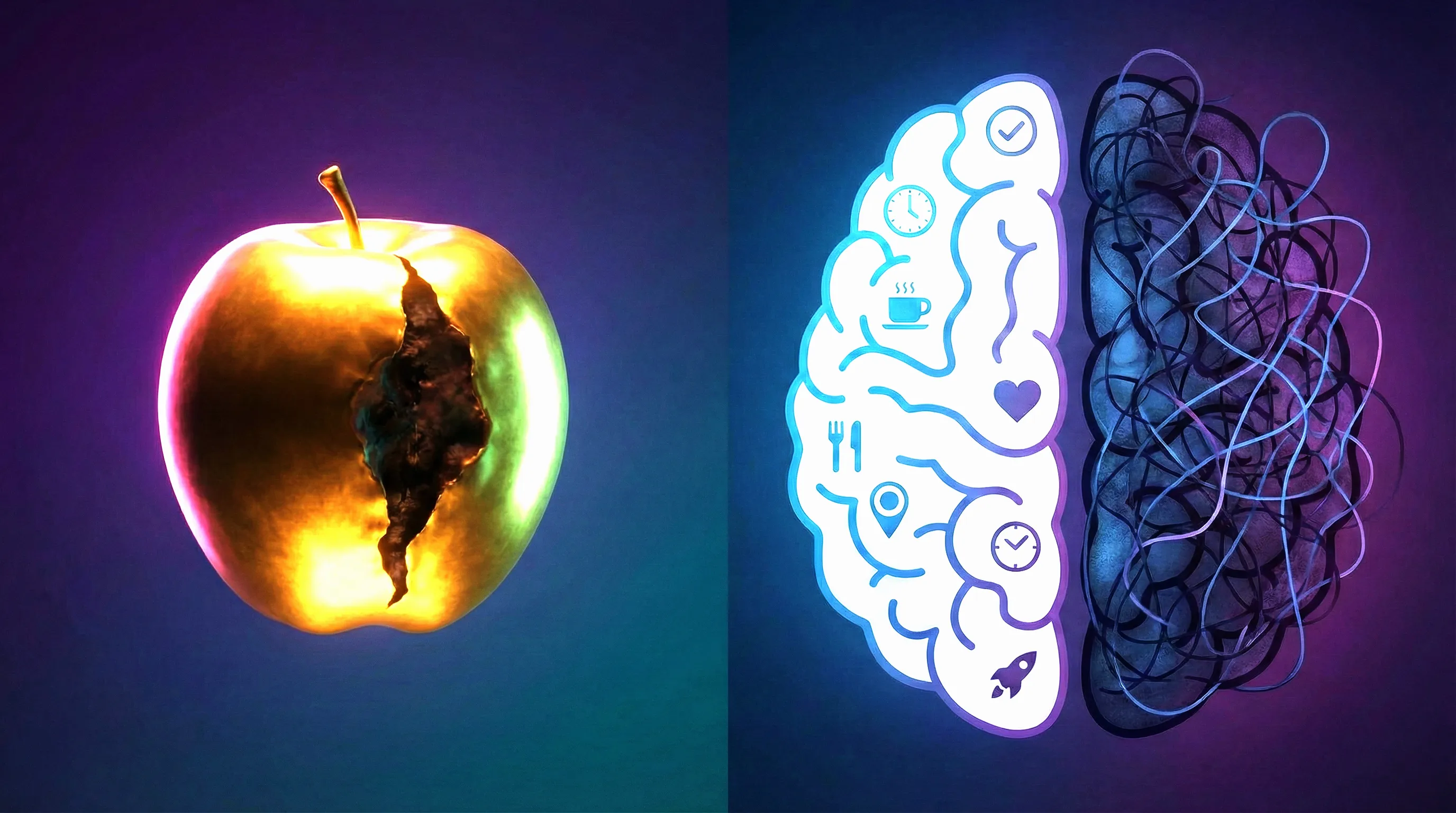
You wake up at 5 AM. You meditate for ten minutes. You journal three pages. You check your step count from yesterday. You meal-prep for the week.
You do everything right. And you still feel terrible.
Here’s the uncomfortable truth. Some of the habits you’re most proud of might be quietly wrecking your mental health. Not because the habits themselves are bad. But because your brain turned them into something they were never meant to be.
The global wellness industry is now worth over $5 trillion. It profits off people who are told they need to do more, buy more, and be more in order to be healthy. But the science tells a different story. When healthy habits become compulsive, they stop helping and start hurting.
When Tracking Your Health Becomes an Obsession
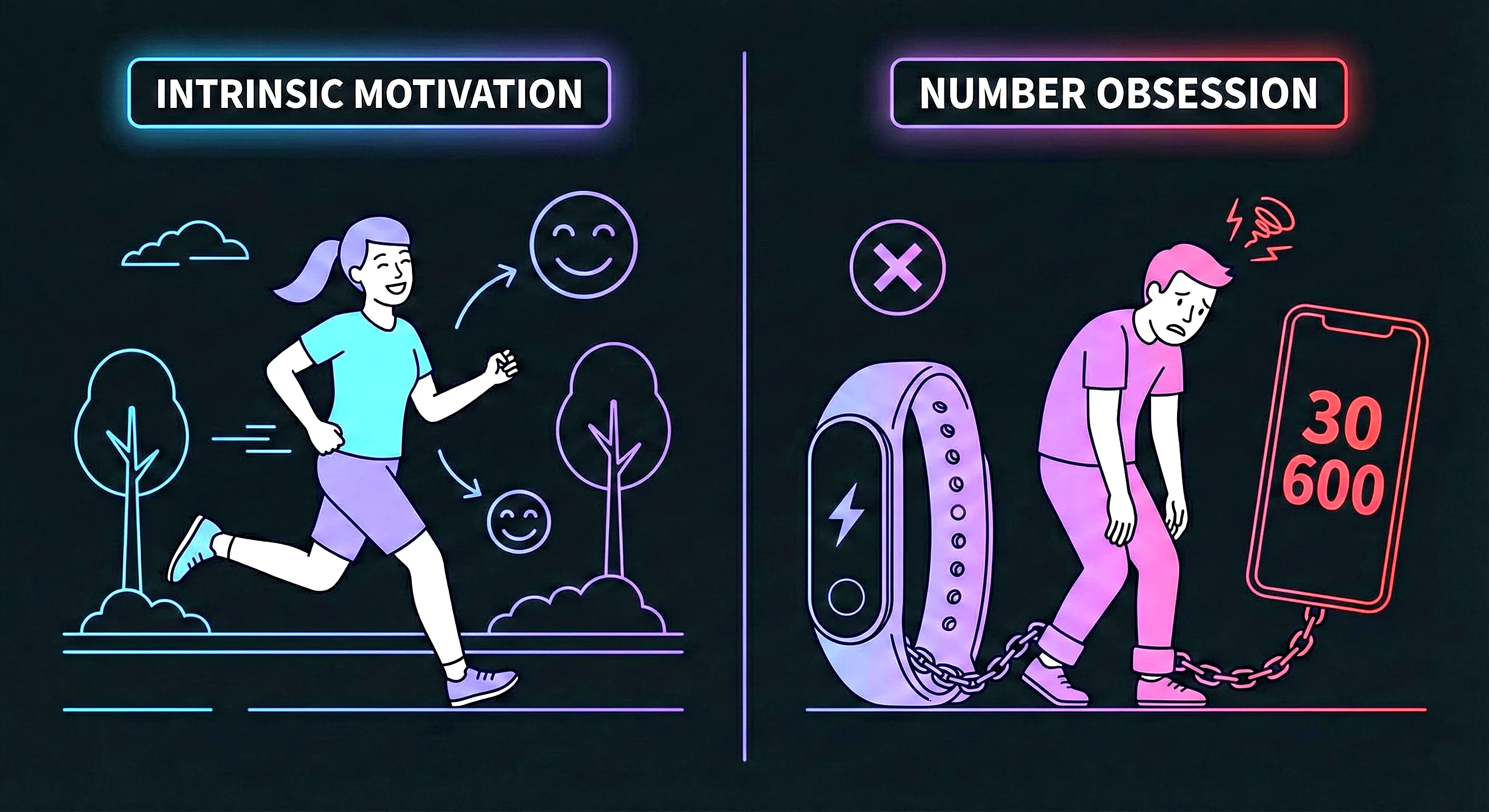
Fitness trackers are everywhere. Over 30% of Americans now wear a smartwatch or fitness band. The promise is simple. Track your steps, your sleep, your heart rate. The data will help you get healthier.
Except it often does the opposite.
Katherine Schreiber, an exercise addiction researcher, warns that wearable tech reinforces a calculating mindset. “It reinforces how much attention you pay to walking a certain number of steps or getting a certain number of hours of R.E.M. sleep,” she says. “It’s a trigger for all sorts of addictive behaviors.”
Psychologist Leslie Sim compares fitness trackers to calorie counting. Neither actually helps us manage our health better. They just make us more obsessive. Her patients say things like, “If I’ve only done fourteen thousand steps today, even though I’m really tired and I need to rest, I have to go out and do my extra two thousand steps.”
Here’s the problem:
- Counting steps and calories crowds out intrinsic motivation
- You stop exercising because it feels good and start exercising to hit a number
- The healthiest approach is to enjoy movement. Trackers turn enjoyment into obligation
- Missing a target triggers guilt and anxiety, even when your body needs rest
When Healthy Eating Becomes Orthorexia
The obsession with “clean eating” has a clinical name. Orthorexia nervosa describes an obsessive preoccupation with self-imposed rigid dietary rules based on exaggerated perceptions of the health benefits and harms associated with food. It can lead to malnutrition, weight loss, distress, and impairment in social functioning.
A 2025 study published in Psychological Reports found that eating disorder symptoms, depression, and ED-specific rumination all showed significant positive associations with orthorexia nervosa symptoms. Social media addiction also played a role, creating a feedback loop where perfectionist wellness content drives increasingly rigid eating behaviors.[1]
Research from 2024 in Frontiers in Nutrition revealed important gender differences. Orthorexia correlated with decreased well-being in women but not meaningfully in men. Exercise addiction and orthorexia frequently overlap, suggesting that the compulsive pursuit of health can become its own mental health problem.[2]
The factors that drive orthorexia are revealing. Perfectionism, health anxiety, and illness controllability are the key contributors. The same personality traits that make someone “disciplined” about nutrition can tip into pathology when the rules become rigid and the anxiety about breaking them becomes constant. And while obsessing over clean eating is one problem, the bigger dietary threat to your brain may actually be what most people are eating without thinking. Research shows that ultra-processed food is quietly rewiring your brain through gut damage, neuroinflammation, and lipid disruption.
The same technology that makes you obsess over steps also follows you everywhere. The apps on your phone use similar dopamine-driven reward loops to keep you checking, scrolling, and chasing numbers.
| Healthy Version | When It Becomes Harmful |
|---|---|
| Choosing nutritious foods | Refusing to eat at restaurants because you can’t control ingredients |
| Tracking workouts for progress | Exercising through injury to maintain a streak |
| Monitoring sleep quality | Lying awake anxious because your tracker shows poor sleep |
| Reading nutrition labels | Spending hours researching every ingredient in your pantry |
“Calorie counting doesn’t help us manage our weight any better. It just makes us more obsessive.” - Leslie Sim, psychologist
Self-Care That Keeps You Alone
The self-care industry hit $10 billion in annual revenue before the pandemic. During COVID, Google searches for “self-care” more than doubled. Companies, schools, and hospitals started dedicating entire days for people to decompress.
Bubble baths. Binge-watching. Bonbons. They’re wonderful. But they’re often the answer to the wrong question.
Christina Maslach, the researcher who first defined burnout, explains that burnout isn’t one thing. It has multiple dimensions:[3]
| Burnout Dimension | What It Feels Like | What Causes It |
|---|---|---|
| Exhaustion | Drained, no energy left | Being overworked |
| Cynicism | Everyone seems selfish | Toxic environment |
| Loss of purpose | Nothing feels meaningful | Disconnection from others |
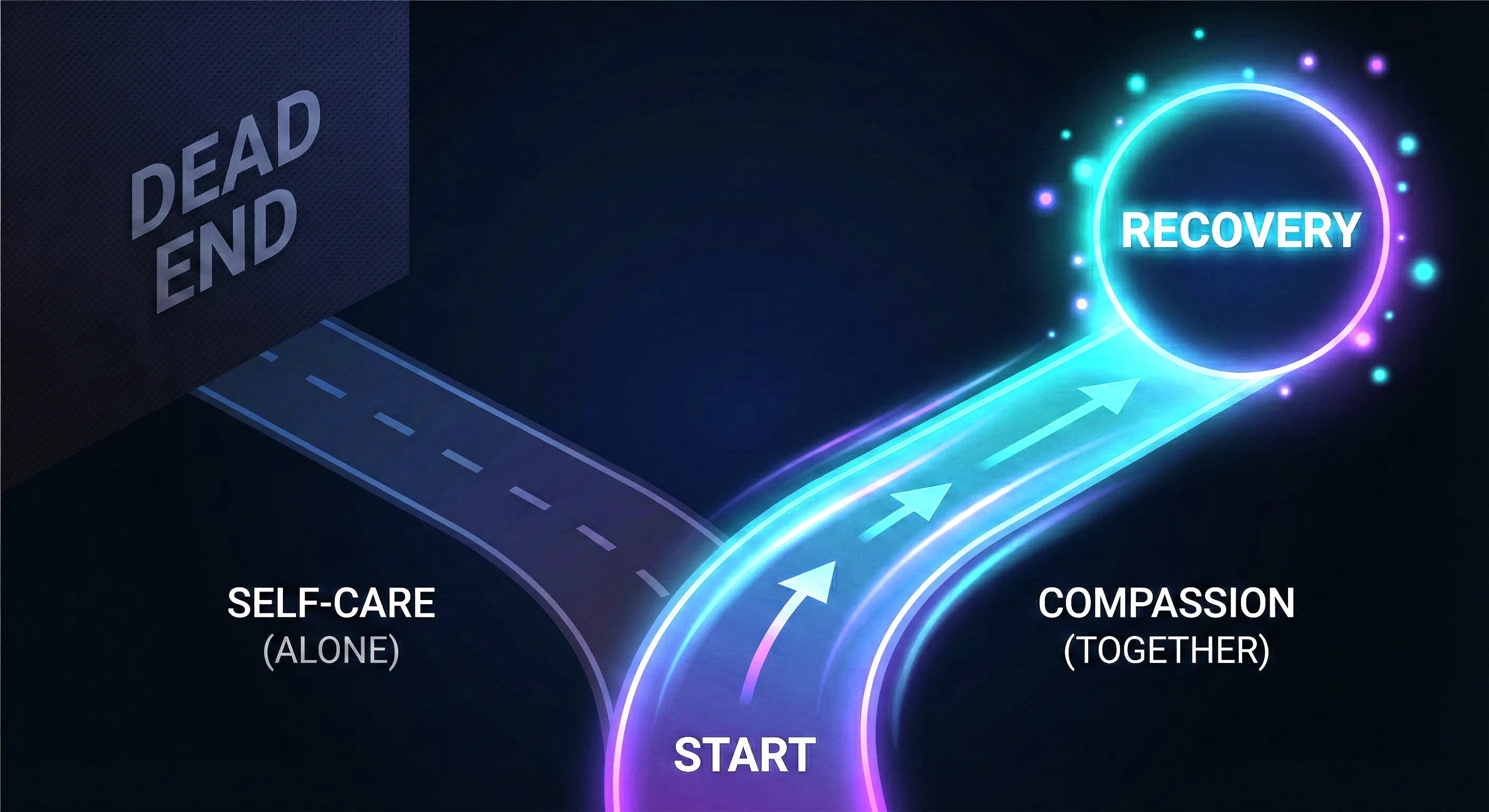
Self-care tackles exhaustion. But it does nothing for cynicism or loss of purpose. And here’s the real twist. Research from psychologist Jamil Zaki found that the only factor that decreased cynicism in healthcare workers was compassion toward others. Not self-care.
When you’re burned out, your instinct is to retreat. Cancel plans. Stay home. Recharge alone. But isolation often makes things worse.
- Lonely people visit doctors with physical complaints, but the real problem is disconnection
- Helping others actually replenishes you. Volunteers who counsel strangers feel less depressed
- Students feel less lonely on days they help a peer
- People consistently predict they’d be happier spending energy on themselves. They’re wrong
A 2025 study on toxic positivity in the workplace found that employees who lack space to express negative emotions experience increased risk of stress, burnout, depression, and emotional isolation. The “good vibes only” mindset that pervades wellness culture creates the same dynamic. It tells you to feel better instead of actually addressing what’s wrong.[4]
“If you are not managing the company to be healthy, you’re not going to undo that by giving people a yoga class.” - Josh Bersin
Recommended read: Hope for Cynics by Jamil Zaki. Explores why we default to cynicism when burned out and how connection, not isolation, is the real antidote.
When Journaling Turns Into Rumination
Journaling is one of the most recommended mental health habits. Therapists suggest it. Self-help books swear by it. Morning pages, gratitude lists, emotional processing. Write it out and you’ll feel better.
Sometimes you don’t.
Psychologist Ethan Kross describes what happens when journaling goes wrong. He calls it chatter. It’s when you get stuck in a negative thought loop. You’re focused on the problem, but you’re not making any progress. You’re circling the same feelings, the same situation, over and over.
Think of it like a traffic circle with no exit.
Three Warning Signs Your Journaling Has Become Chatter
-
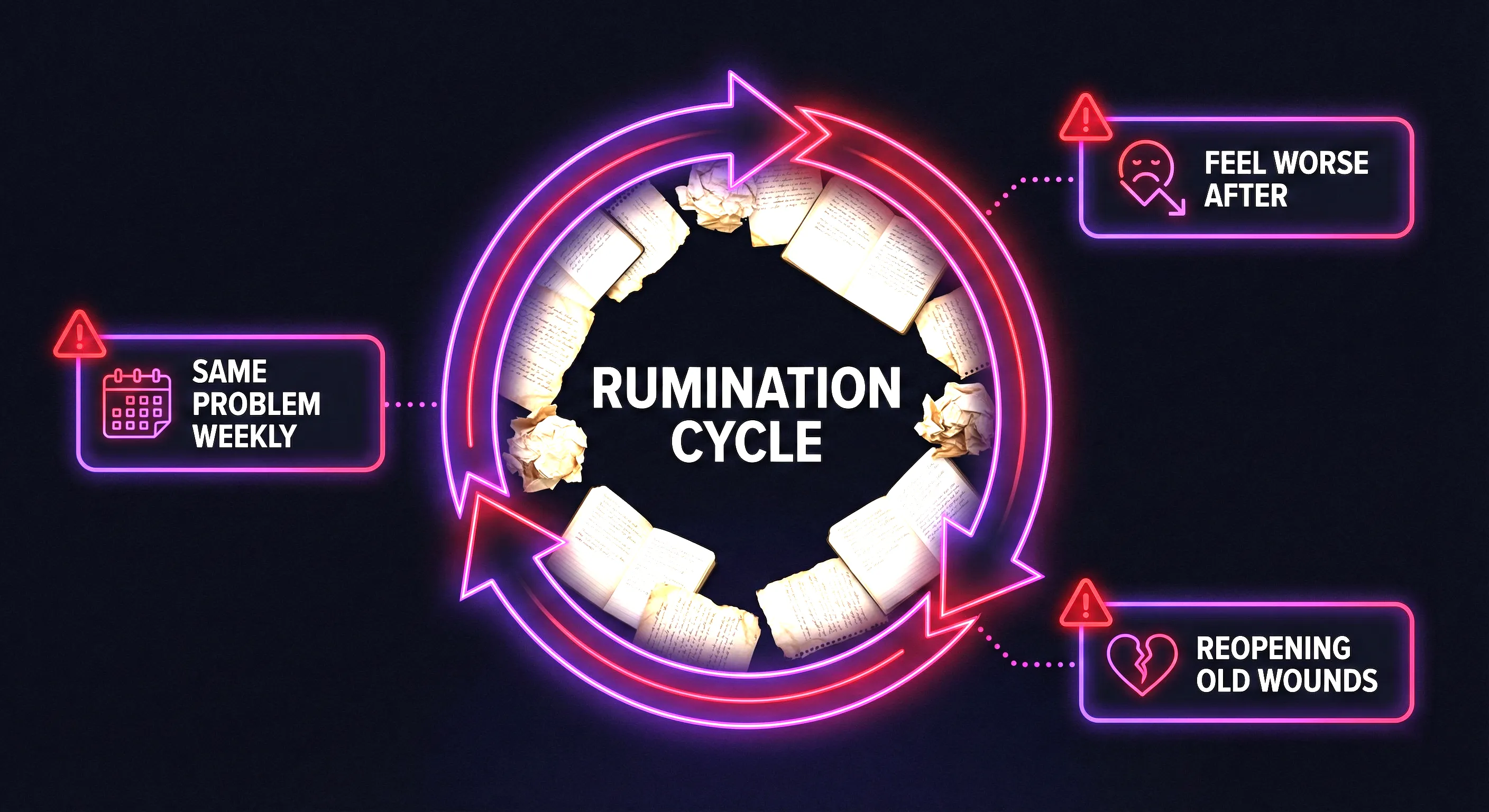
You keep writing about the same problem. If the same issue fills your journal week after week and nothing changes, you’re not processing. You’re ruminating.
-
You feel worse after writing. Healthy journaling brings clarity. If you close the notebook feeling heavier than when you opened it, the approach isn’t working.
-
You’re dredging up old wounds that aren’t bothering you. Kross shares a personal example. His father kept pushing him to “process” a childhood divorce that Kross had already worked through decades ago. Revisiting resolved pain doesn’t heal. It reopens.
Here’s what Kross recommends instead:
- If journaling makes you circle, switch strategies. Try distanced self-talk, where you refer to yourself in the third person
- Don’t force yourself to approach every negative feeling. Sometimes healthy avoidance is the right move
- Watch for reassurance-seeking disguised as journaling. Endlessly listing “evidence everything will be okay” is avoidance, not processing
The cognitive biases that sabotage your everyday decisions show up in your journal too. Confirmation bias makes you only write about evidence that supports your worst fears. Negativity bias makes you skip the good stuff entirely.
Recommended read: Shift by Ethan Kross. A practical guide to managing emotions with science-backed tools, including when to approach feelings and when to step back.
The Productivity Trap, When Hustle Becomes a Habit
Waking up at 5 AM. Cold showers. Time-blocking every minute. Optimizing your morning routine until it runs like clockwork.
Productivity culture tells you this is discipline. Psychology tells you it might be a trap.
Psychologist Adam Alter describes what he calls the “hustle” mindset. If you adopt a razor-thin definition of success, you’ll fail all the time. “Missing a workout, a high-fiber protein shake, or a scheduled hour of networking is also a failure,” he writes. “Humans aren’t machines, and treating ourselves as efficient automatons is the first mile on the highway to burnout.”
The Perfectionism Paradox
A 2025 study in Frontiers in Psychiatry examined the distinct links between perfectionism and mental health outcomes. The findings confirmed what clinicians have long suspected. Perfectionism has a complicated relationship with mental health. While certain aspects of perfectionism can drive achievement, the rigid, self-critical variety is strongly linked to anxiety, depression, and emotional exhaustion.[5]
Wellness culture is perfectionism in disguise. Not journaling, meditating, or taking supplements makes you feel like you’ve failed. The pressure to optimize every aspect of your well-being creates the exact anxiety it claims to cure. And the same habits you build for self-improvement can quietly shift from serving you to controlling you.
The Overearning Problem
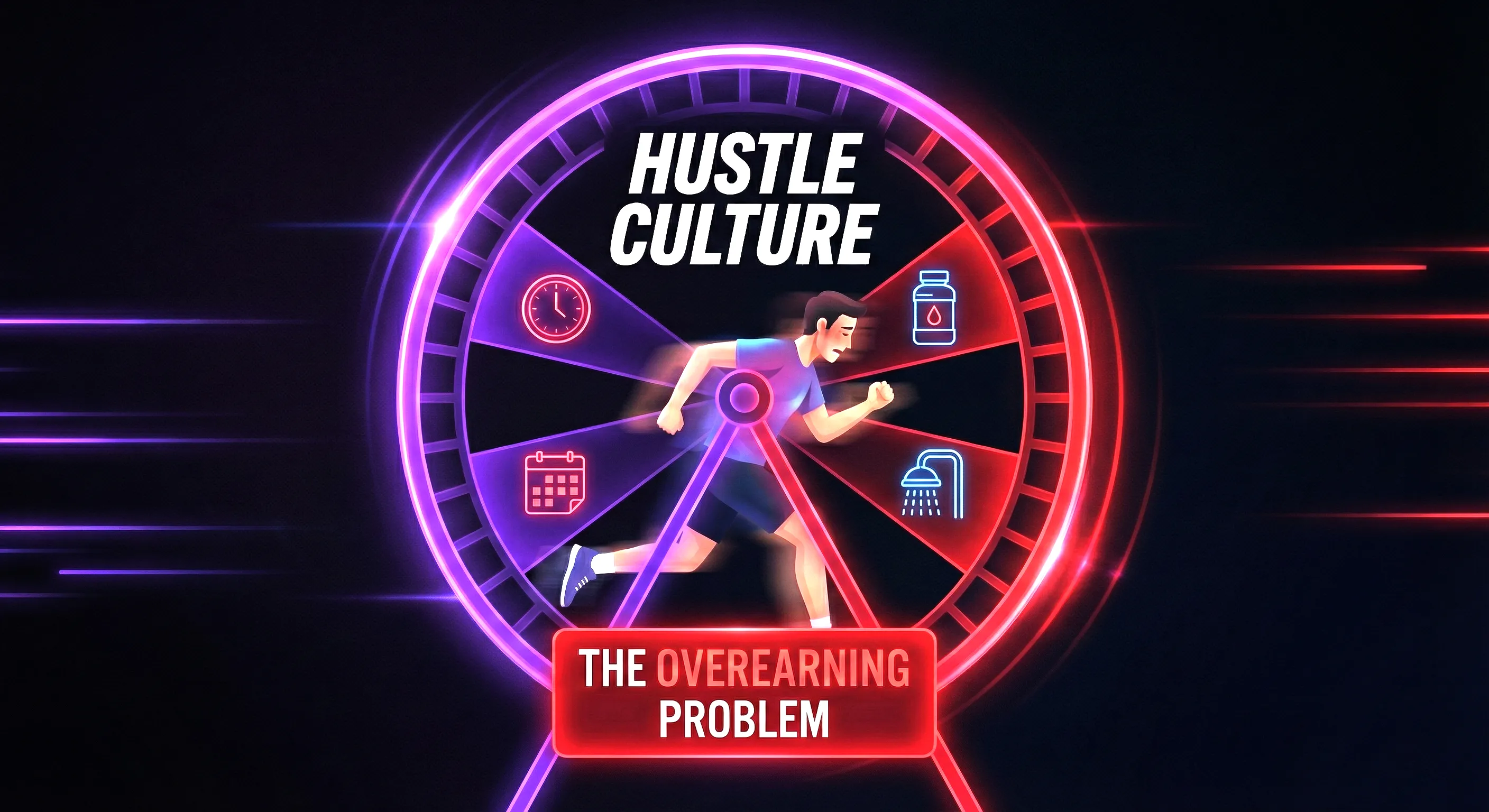
Researcher Chris Hsee at the University of Chicago ran an experiment that reveals something deep about our work habits. Students could either listen to pleasant music or endure an annoying tone to earn chocolates. On average, they earned ten chocolates. But they only ate four.[6]
Once they were on the earning treadmill, they couldn’t stop. Even when they had more than enough.
This is what happens with productivity habits:
- You optimize your routine until every minute is accounted for
- You feel guilty during downtime because your brain labels rest as “wasted time”
- You keep earning (achievements, credentials, output) long after you have enough
- The behavior continues because wanting and enjoying are different brain systems
In Japan, they have a word for the extreme end of this. Karoshi means “death from overworking.” Victims often spend far more time at work than necessary. They’re successful. They have money. They just can’t stop.
Even Albert Einstein knew the antidote. “If my work isn’t going well,” he said, “I lie down in the middle of a workday and gaze at the ceiling while I listen and visualize what goes on in my imagination.” If Einstein could afford to be inefficient, so can you.
Recommended read: Irresistible by Adam Alter. Explores how behaviors we consider productive or healthy can become addictive, from fitness tracking to workplace overachievement.
How to Tell If a Habit Is Helping or Hurting
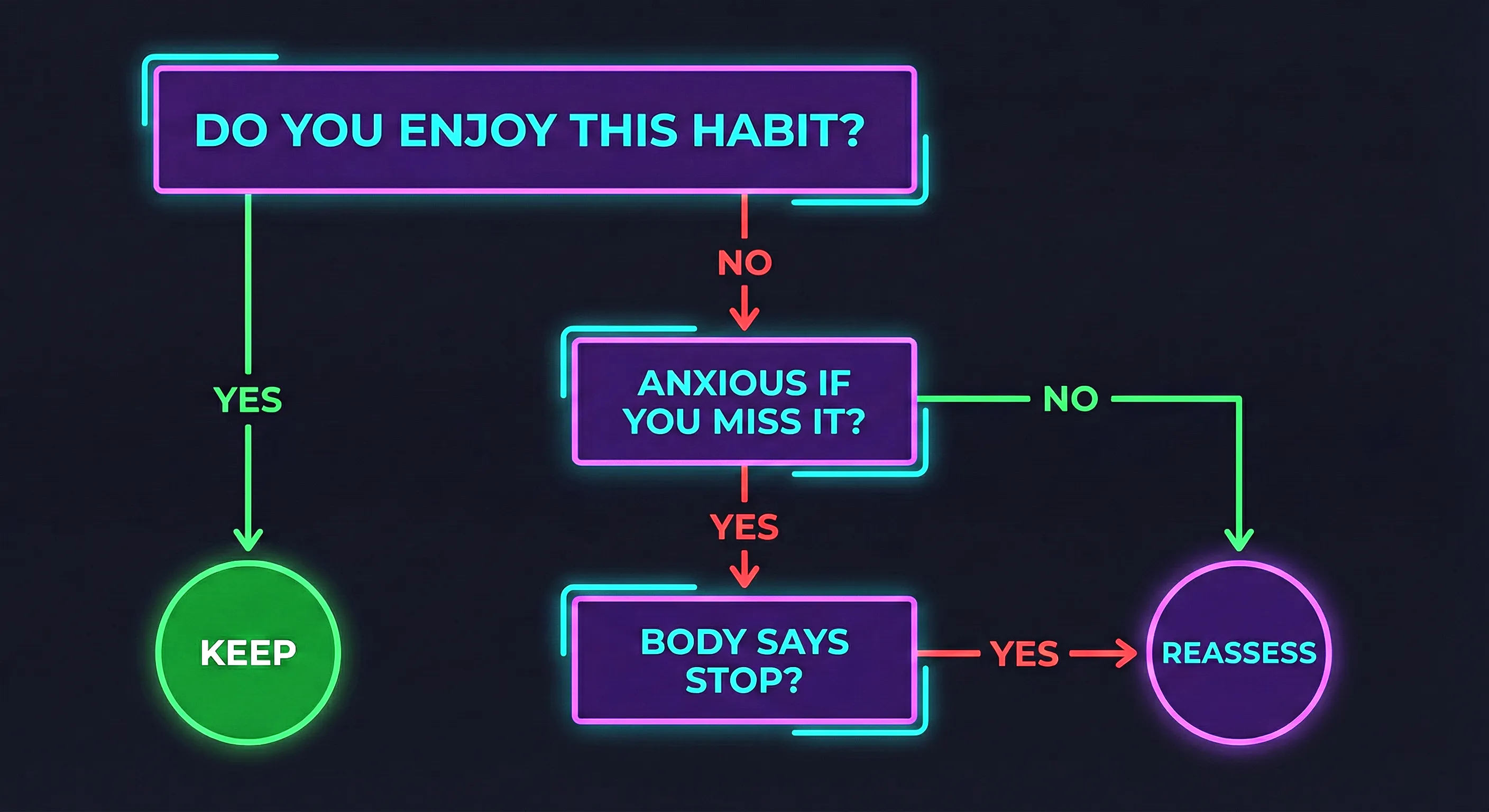
The line between a healthy habit and a harmful one isn’t about what you’re doing. It’s about why you’re doing it and what happens when you stop.
Here are the red flags:
- You feel anxious or guilty when you miss it. A healthy habit is flexible. If skipping one day sends you spiraling, the habit owns you.
- You keep doing it despite your body’s signals. Exercising through injury, journaling when it makes you feel worse, waking early when you’re sleep-deprived.
- It replaced connection, not added to it. If your self-care routine means you never see friends, it’s isolation wearing a wellness mask.
- You can’t explain why you do it anymore. You started for a reason. If that reason is gone and the habit remains, it’s running on autopilot.
- The habit has become your identity. When “I’m a morning person” or “I never miss a workout” becomes something you defend with anxiety rather than pride, the habit has crossed a line.
A Simple Rebalancing Framework
If you recognized yourself in any of this, you’re not doing self-improvement wrong. You’ve just drifted past the point where the habit serves you. Here’s how to course-correct:
-
Drop the numbers for one week. Turn off step counts, calorie trackers, and streak counters. Ask yourself: do I still enjoy this activity without the score?
-
Replace one solo self-care session with a social one. Instead of Netflix alone, call a friend. Instead of solo yoga, try a class. Zaki’s research shows helping others is more restorative than helping yourself.
-
Journal with a timer. Write for ten minutes, then stop. If you still feel stuck on the same problem, close the notebook and go for a walk. Movement breaks rumination loops.
-
Build slack into your routine. Leave at least one hour per day completely unplanned. No optimization. No goals. Einstein did it. So can you.
-
Check your motivation. Before any habit, ask: “Am I doing this because I want to, or because I’m afraid of what happens if I don’t?” Fear-driven habits always turn toxic eventually.
| Sign | Healthy Version | Harmful Version |
|---|---|---|
| Exercise | You enjoy the movement | You panic if you miss a day |
| Journaling | You gain clarity | You feel worse after writing |
| Morning routine | It energizes you | Missing it ruins your whole day |
| Self-care | You feel recharged | You feel more isolated |
| Productivity | You’re focused and rested | You can’t stop working |
| Healthy eating | You feel nourished | You feel anxious about every ingredient |
Recommended read: Anatomy of a Breakthrough by Adam Alter. Shows how getting stuck often comes from trying too hard, and why slowing down is the paradoxical key to moving forward.
The goal was never to be perfect. It was to feel better. If your healthy habits aren’t doing that anymore, it’s not a failure to change them. It’s the healthiest thing you can do.
Sources
When Tracking Your Health Becomes an Obsession
Self-Care That Keeps You Alone
7. Christina Maslach: The Pioneer Behind Burnout Research (American Psychological Association)
8. Self-Compassion Explains Less Burnout Among Healthcare Professionals (Mindfulness, 2020)