In 1973, psychologists Mark Lepper, David Greene, and Richard Nisbett walked into a preschool with a simple plan. They wanted to see what happens when you reward kids for doing something they already love.
They picked children who loved drawing with felt-tip markers. These kids would grab markers during free play without anyone asking. Drawing was pure joy for them.
Then the researchers divided them into three groups. One group was promised a “Good Player” certificate with a gold seal and ribbon for drawing. Another group got the same certificate as a surprise after drawing. The third group got nothing at all.
Two weeks later, the researchers came back. The kids who were promised a reward beforehand? They spent half as much time drawing as before. The surprise-reward kids and the no-reward kids kept drawing just as much.[1] The simple act of expecting a reward had crushed the thing these children loved doing.
This wasn’t a fluke. It was the discovery of something that would reshape our understanding of human motivation for the next five decades.
The Overjustification Effect, How Rewards Rewire Your Brain
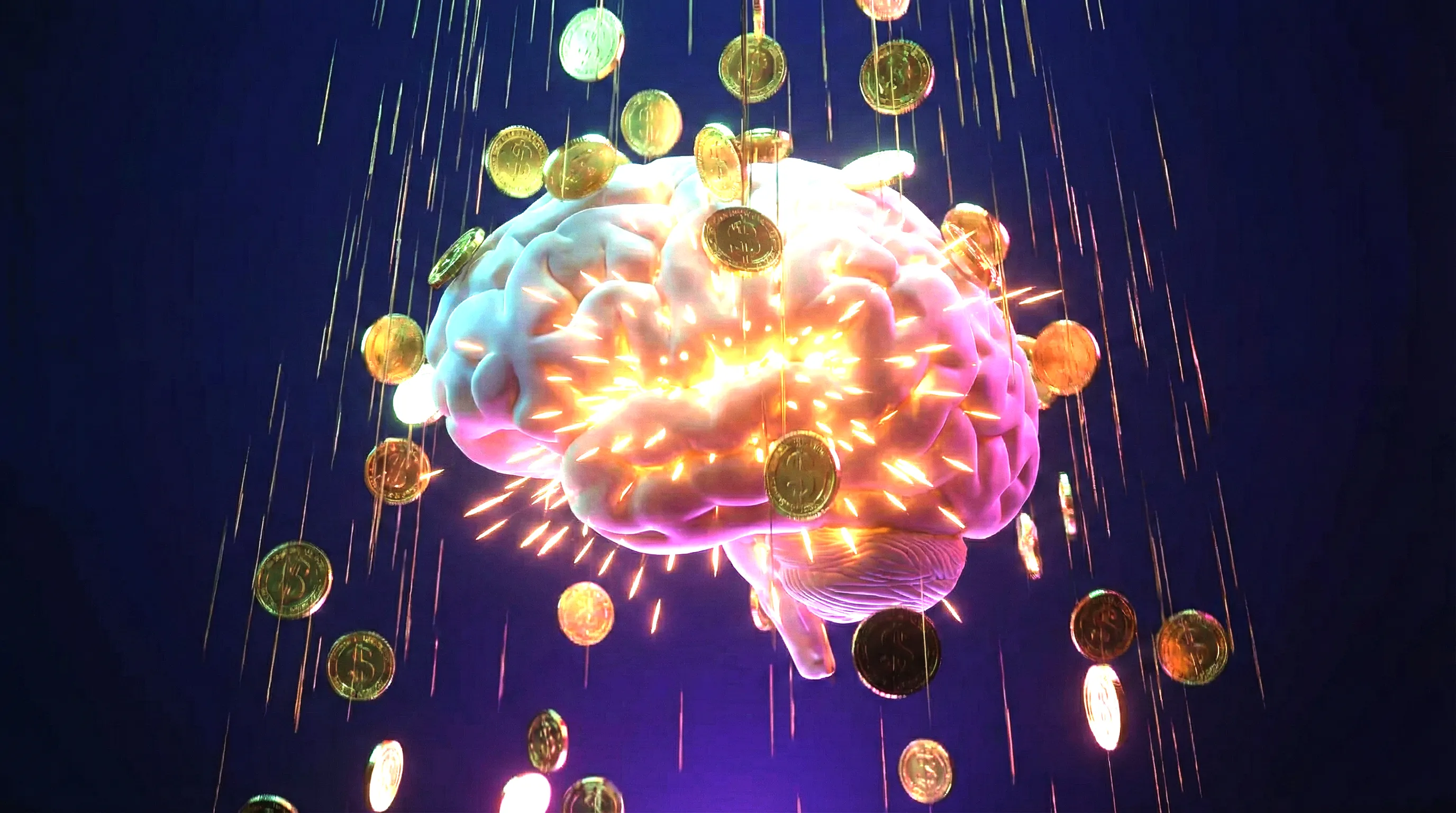
What those researchers uncovered has a name. Psychologists call it the overjustification effect. It’s what happens when an external reward replaces your internal reasons for doing something.
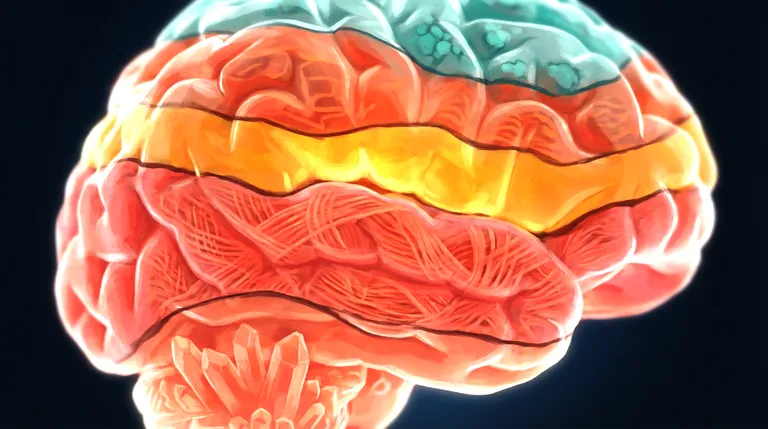
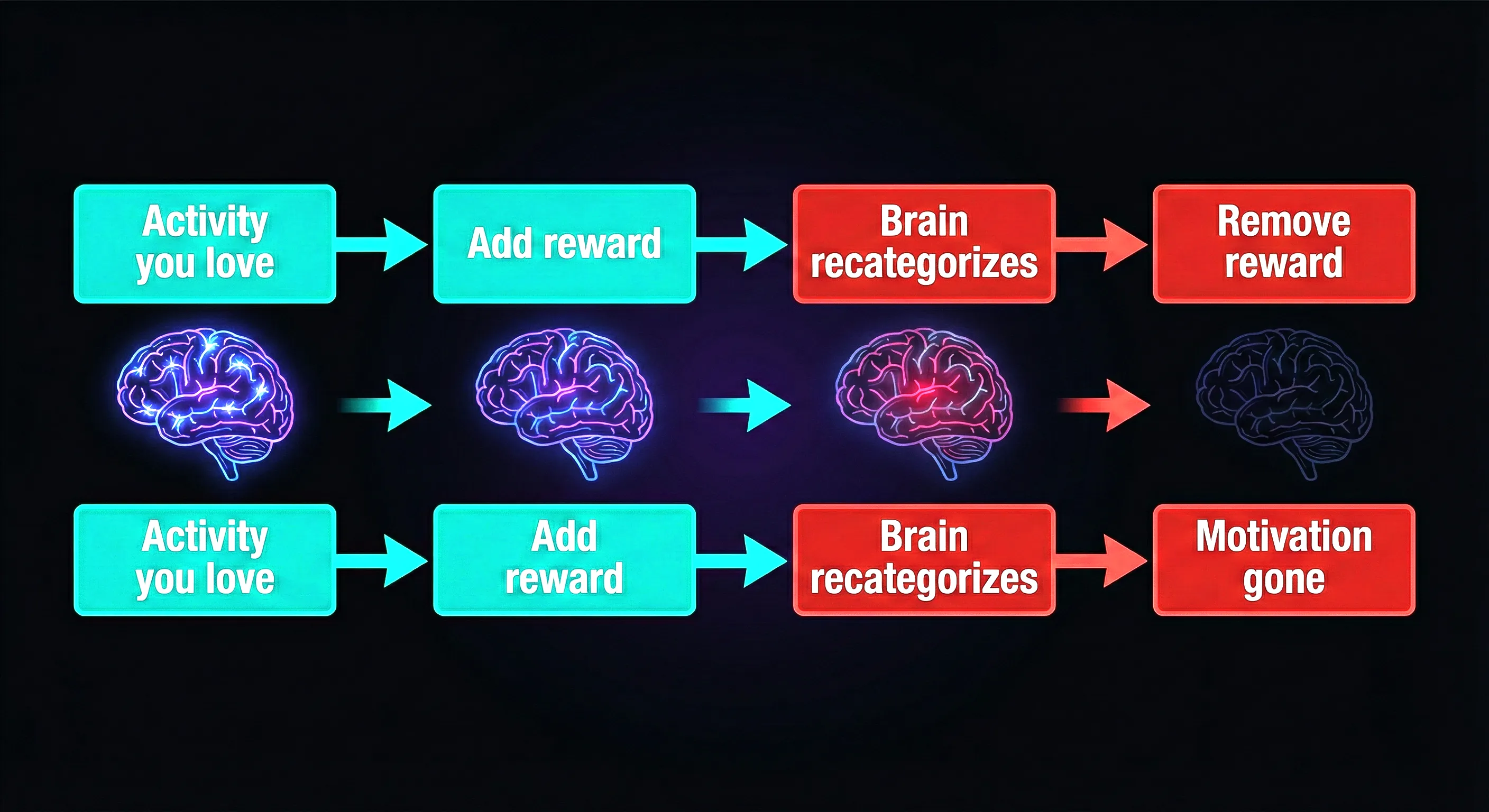
Here’s how it works. Your brain is constantly asking one question: “Why am I doing this?” When you do something because it’s fun, interesting, or meaningful, your brain files it under “things I want to do.” But the moment a reward enters the picture, your brain recategorizes the activity. It becomes “something I do for the reward.”
This isn’t just a feeling. It shows up in your neuroscience. When you’re intrinsically motivated, your ventral tegmental area fires dopamine into the nucleus accumbens. You get that satisfying buzz of curiosity and engagement. But when external rewards take over, your brain shifts to a transactional mode. The activity itself stops triggering that dopamine response. Only the reward does.
A meta-analysis of 128 studies confirmed this pattern. Engagement-contingent, completion-contingent, and performance-contingent rewards all significantly undermined intrinsic motivation.[2] The effect was strongest when people expected the reward beforehand.
Think about it in your own life. You used to love cooking dinner. Then you started a food blog, and suddenly cooking became “content.” You used to read for fun. Then someone started a book club with prizes for finishing books, and reading became a chore.
- Expected rewards kill motivation the most. Surprise rewards are far less damaging.
- Tangible rewards (money, prizes) are worse than verbal praise.
- Controlling rewards (“do this to get that”) are worse than informational rewards (“great job, here’s why”).
The pattern is clear. The more a reward feels like a transaction, the more it destroys the thing it’s trying to encourage.
“Rewards motivate people. They motivate people to get rewards.” — Alfie Kohn
Recommended read: Punished by Rewards by Alfie Kohn. A deep dive into why incentive plans, grades, and praise often produce the exact opposite of what we intend.
When Paying People Makes Everything Worse
The overjustification effect doesn’t just ruin hobbies. It causes real damage in the real world.
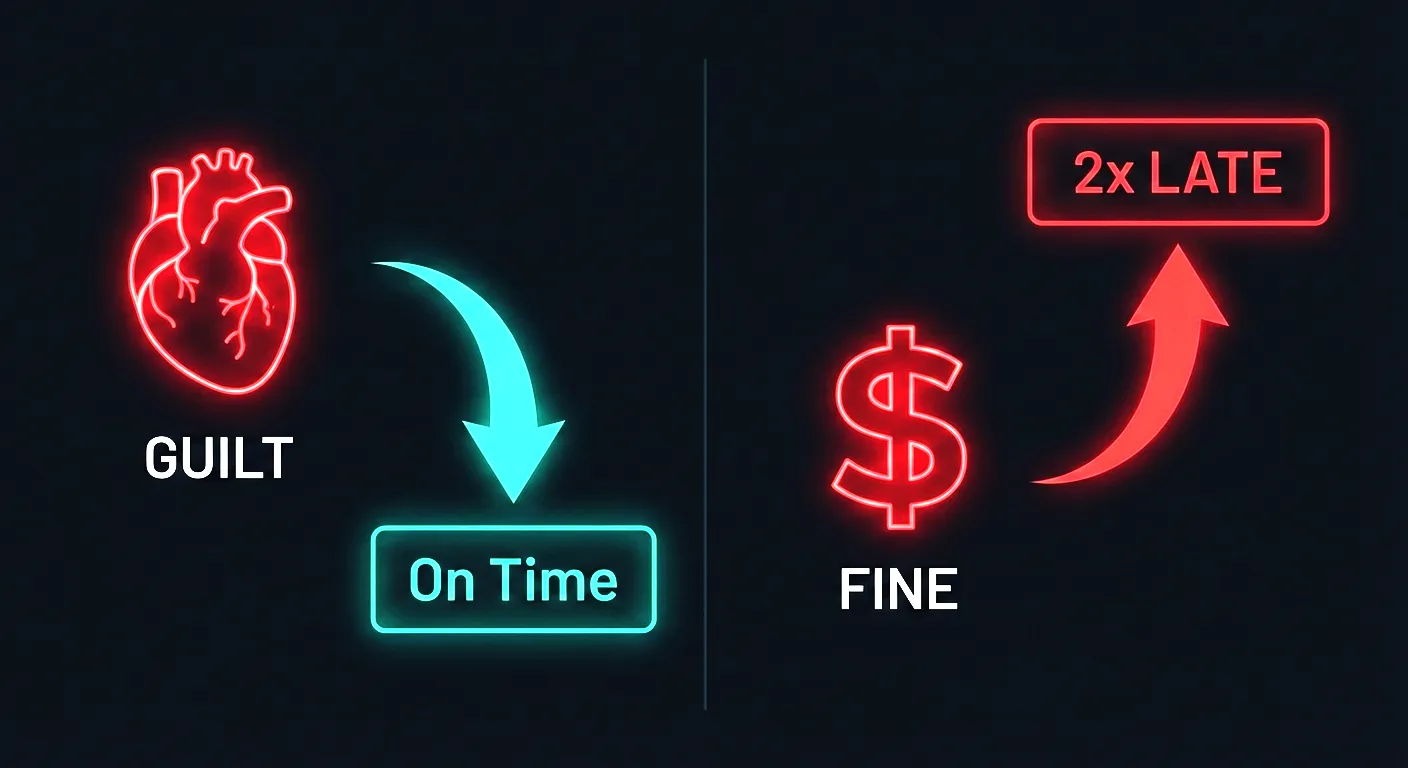
In 2000, economists Uri Gneezy and Aldo Rustichini ran a study at ten daycare centers in Israel. Parents were showing up late to pick up their kids. So six of the centers introduced a fine for late pickups.
The result? Late pickups increased. Not by a little. They nearly doubled.
Before the fine, parents felt guilty about being late. That guilt was a powerful motivator. But the fine turned a moral obligation into a simple transaction. Parents thought, “I’m paying for this now, so it’s fine.” When the fine was later removed, the late pickups stayed high. The guilt never came back.[3]
This same pattern shows up everywhere.
- The Cobra Effect. Colonial India offered bounties for dead cobras to reduce the snake population. People started breeding cobras for the reward money. When the program was canceled, breeders released their now-worthless snakes. The cobra population ended up larger than before.
- Workplace gamification. A February 2026 study from Carnegie Mellon found that turning work into a game with points, badges, and leaderboards erodes employees’ moral agency. Short-term productivity goes up. Long-term engagement collapses.
- Goal-setting apps. A December 2025 Cornell study found that goal-tracking apps can backfire when their reward structures feel controlling rather than supportive.
| Scenario | Without Reward | With Reward | Result |
|---|---|---|---|
| Daycare late pickups | Guilt kept parents on time | Fine replaced guilt with transaction | Late pickups nearly doubled |
| Drawing with markers | Kids drew during free play | Certificate promised for drawing | Time spent drawing dropped 50% |
| Cobra population control | Natural population levels | Bounty for dead cobras | Population increased after program ended |
| Workplace productivity | Intrinsic professional pride | Points, badges, leaderboards | Moral agency eroded over time |
The pattern is always the same. You take something people do for internal reasons. You attach an external incentive. The internal reason evaporates. Remove the incentive, and you’re left with nothing.
This connects to what researchers call the dopamine system that apps exploit to keep you hooked. The same brain circuits that make rewards feel good are the ones that get hijacked when motivation shifts from internal to external.
Recommended read: Predictably Irrational by Dan Ariely. Explores how humans systematically make irrational decisions, including why we respond to incentives in ways that defy economic logic.
The Three Things Your Brain Actually Craves
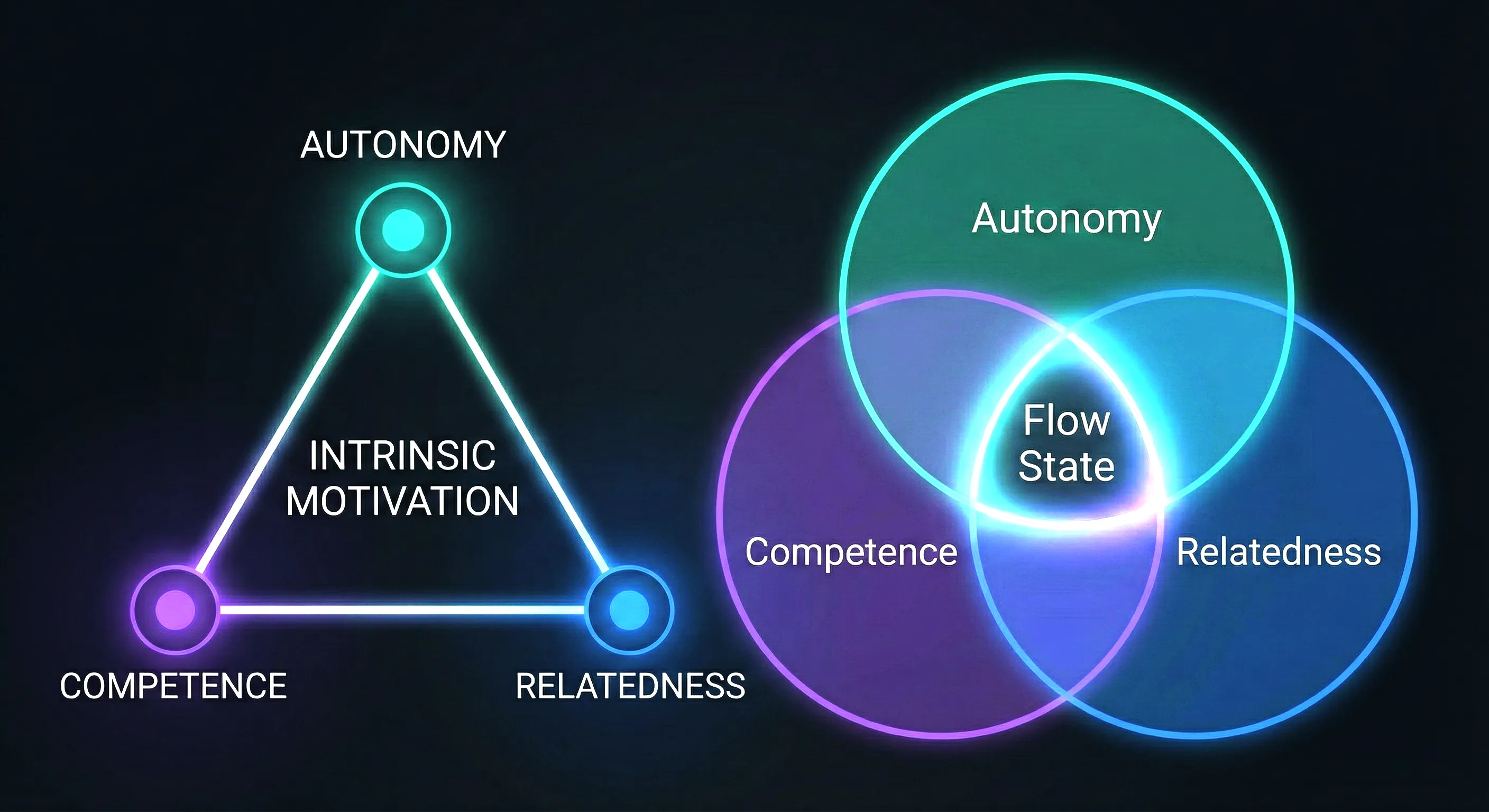
If rewards don’t work, what does? Psychologists Edward Deci and Richard Ryan spent decades answering this question. Their framework, self-determination theory, identifies three basic psychological needs that drive lasting motivation.
Autonomy
Your brain needs to feel like it’s in charge. Not controlled. Not bribed. In charge.
A March 2026 study in Behavioral Brain Research found something fascinating. When people chose their own reward structure, motivation actually increased. But when someone else controlled the rewards, motivation dropped. It’s not rewards themselves that kill motivation. It’s the loss of autonomy that comes with them.
This explains why freelancers often work harder than salaried employees on the same tasks. It explains why kids who choose their own books read more than kids assigned books. Control matters more than compensation.
Competence
You need to feel like you’re getting better at something. Not just doing it. Getting better.
The best feedback doesn’t come wrapped in a gold star. It comes as information. “Here’s what you did well. Here’s where you can improve.” That kind of feedback feeds your sense of competence without triggering the overjustification effect.
- Praise that highlights effort (“you worked hard on this”) builds motivation
- Praise that highlights talent (“you’re so smart”) actually reduces it
- Carol Dweck’s research on growth mindset showed that praising intelligence made students avoid challenges, while praising effort made them seek harder problems[4]
Relatedness
Humans are social creatures. You’re more motivated when you feel connected to others who care about the same things.
This is why study groups outperform solo cramming. Why team sports keep people exercising longer than solo gym sessions. Why open-source developers contribute thousands of hours of free labor. Nobody’s paying them. They feel part of something that matters.
| Need | What Feeds It | What Kills It |
|---|---|---|
| Autonomy | Choice, flexibility, self-direction | Controlling rewards, surveillance, deadlines |
| Competence | Informational feedback, optimal challenge | Criticism, impossible standards, easy tasks |
| Relatedness | Collaboration, belonging, shared purpose | Competition, isolation, transactional relationships |
When all three needs are met, something remarkable happens. You don’t need external motivation at all. The activity itself becomes the reward. This is what psychologists call intrinsic motivation, and it’s the most powerful, sustainable form of drive humans have.[6]
It also explains why your good habits never seem to stick. If a habit doesn’t satisfy autonomy, competence, or relatedness, no reward system will keep it going long-term.
Recommended read: Drive by Daniel H. Pink. The best popular science book on self-determination theory, covering why autonomy, mastery, and purpose outperform carrots and sticks every time.
How to Stay Motivated Without Ruining It
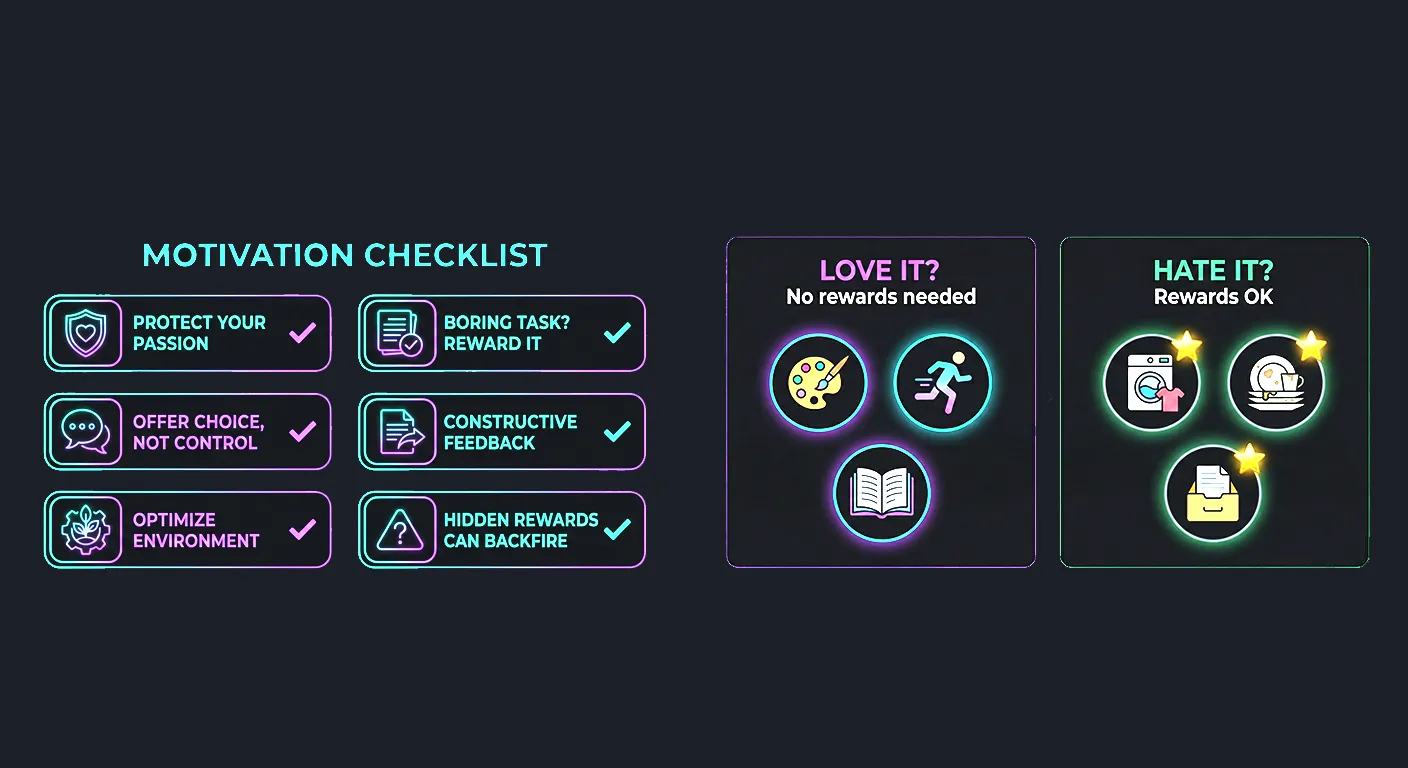
Knowing that rewards backfire is useful. Knowing what to do instead is better. Here are research-backed strategies that build motivation without destroying it.
-
Remove unnecessary rewards from things you already enjoy. If you love running, don’t tie it to a step-counting app with badges. If you love writing, be careful about monetizing too early. Protect the intrinsic joy first.
-
Use rewards only for boring tasks. Research shows that rewards actually do increase motivation for tasks where intrinsic interest is low. Hate doing laundry? Reward yourself after. Love painting? Don’t.
-
Replace controlling language with choice. Instead of “you have to finish this by Friday,” try “how would you like to approach this by Friday?” The same deadline. Completely different effect on motivation.
-
Give informational feedback, not evaluative judgments. “Your presentation was clear and well-organized” beats “good job” every time. Specific feedback feeds competence. Vague praise feeds nothing.
-
Create environments that satisfy the three needs. Design your workspace, your routines, and your relationships around autonomy, competence, and relatedness. Motivation follows naturally.
-
Watch out for hidden rewards. Social media likes are rewards. Follower counts are rewards. View counts are rewards. If you notice that creating content has stopped being fun, external metrics might be the culprit.[5]
That last point connects to a broader pattern. The same hedonic treadmill that explains why nothing makes you happy anymore also applies to rewards. Each reward needs to be bigger than the last to produce the same motivational effect. Eventually, no reward is big enough.
The Best Reward Is Wanting to Come Back
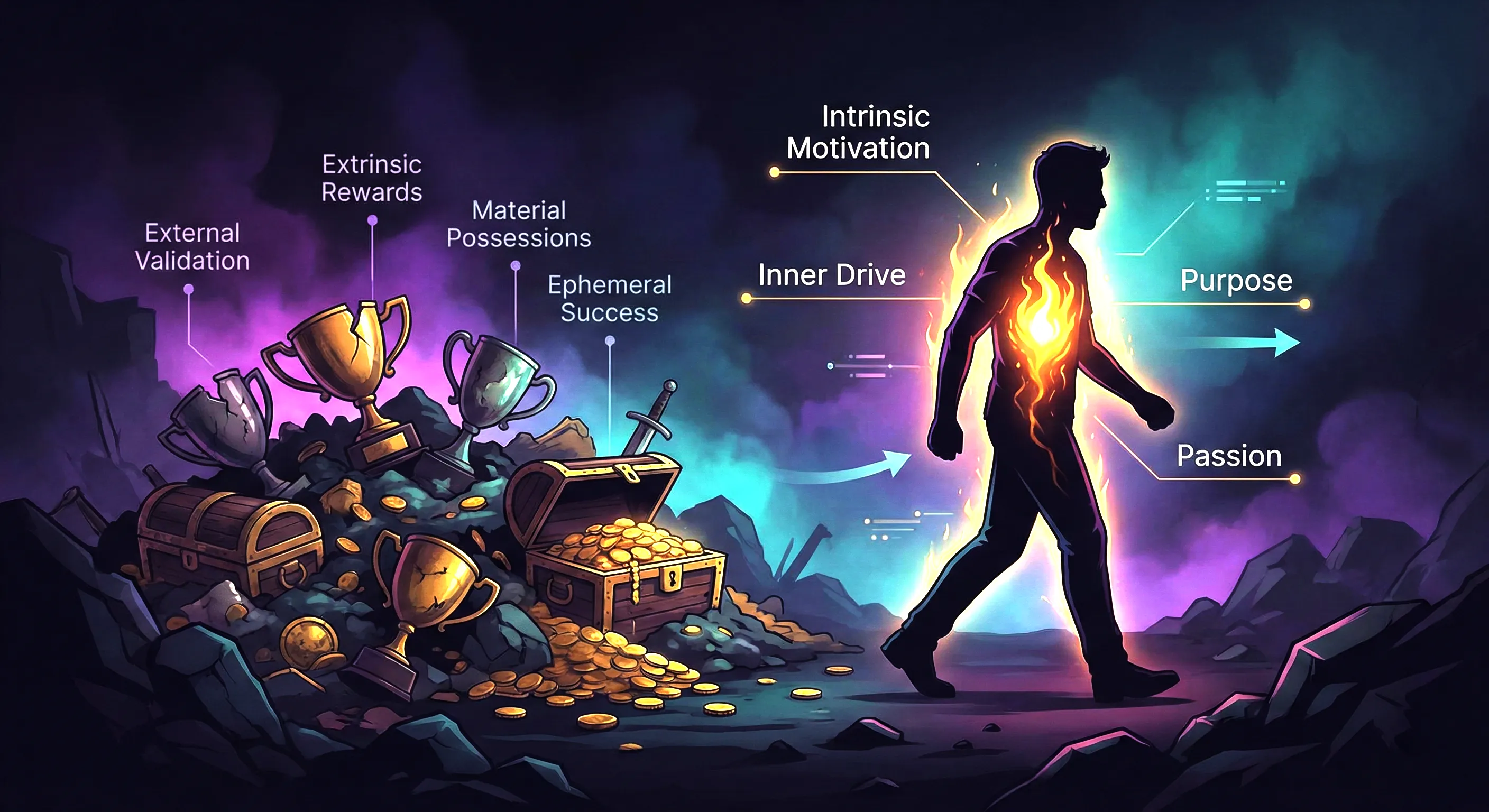
Here’s the irony of motivation research. The most motivated people in the world aren’t chasing rewards. They’re doing things they’d do for free.
The preschoolers in that 1973 study didn’t need gold certificates to draw. They drew because drawing was wonderful. The certificate didn’t add motivation. It replaced it with something weaker, more fragile, and more easily taken away.
A 2026 neuroscience study captured this perfectly. When researchers removed monetary rewards after a task, people’s “wanting” for the activity decreased. But their “liking” remained intact. Your brain still knows what it enjoys. Rewards just get in the way of that signal.
The most sustainable motivation comes from protecting what you already love doing. From building environments that respect your autonomy. From seeking challenges that stretch your competence. From connecting with people who share your purpose.
You don’t need a bigger carrot or a sharper stick. You need to remember why you started.
Recommended read: Mindset by Carol S. Dweck. Shows how believing your abilities can grow, the growth mindset, creates the kind of intrinsic motivation that rewards can never match.
Sources
The Overjustification Effect, How Rewards Rewire Your Brain
When Paying People Makes Everything Worse
3. A Fine Is a Price (Journal of Legal Studies, 2000)